Audiovestibular specialist medico-legal reports
Independent reports on vertigo, dizziness and balance disorders after head injury or whiplash, prepared by GMC-registered consultants in ENT and audiovestibular medicine and written to comply with CPR Part 35.
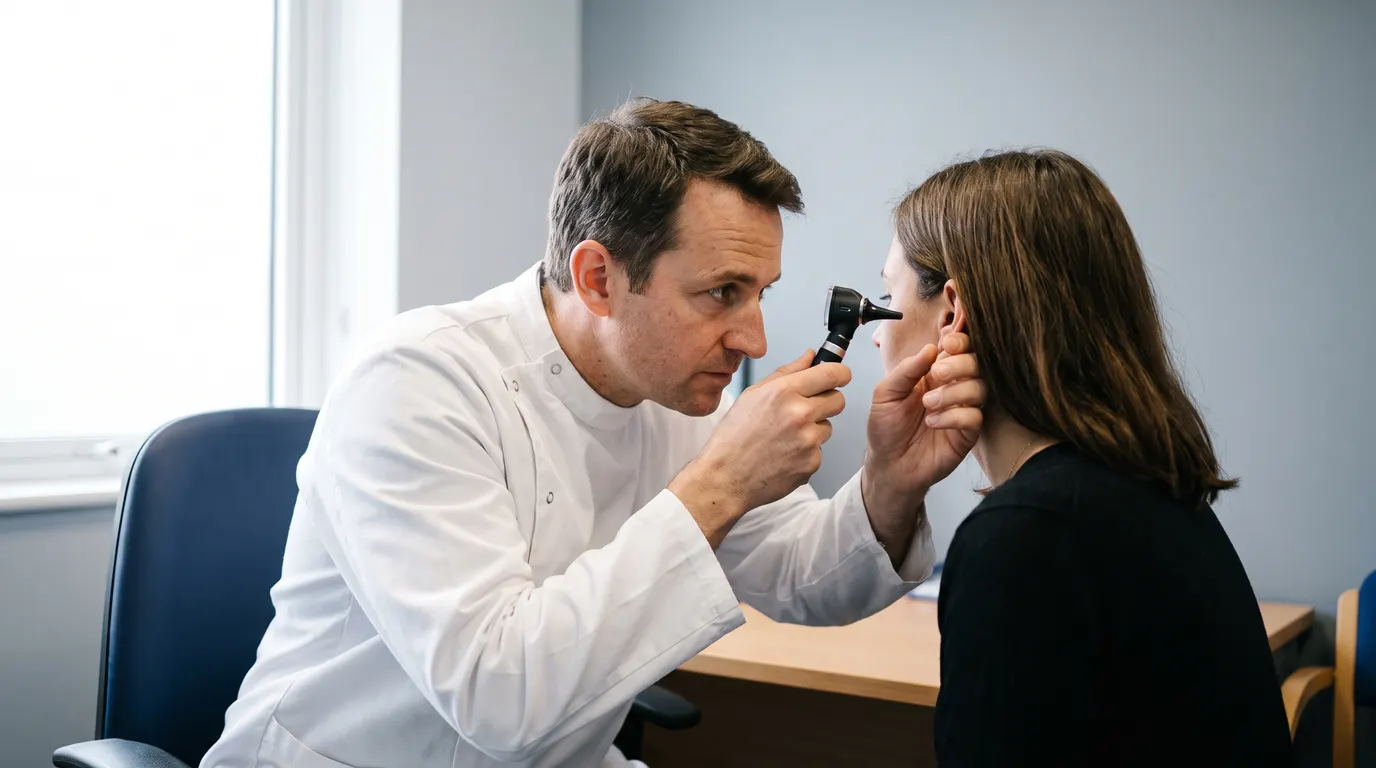
Dizziness after a road traffic accident or a blow to the head is easy to dismiss and hard to prove. Expert Medical arranges independent vestibular assessments with GMC-registered consultants in ENT and audiovestibular medicine, who examine the claimant, review the records and set out whether a vestibular disorder such as benign paroxysmal positional vertigo or labyrinthine concussion is present, what caused it and how it is likely to progress.
Solicitors instruct vestibular specialist reports where a claimant describes vertigo, unsteadiness or motion intolerance after whiplash or head injury, symptoms a general orthopaedic report cannot fully address. Insurers rely on the same evidence to understand whether reported dizziness is vestibular in origin. Every report is prepared under CPR Part 35, with the expert's overriding duty owed to the court.
What is a vestibular assessment report?
A vestibular assessment report is an independent medical report on the balance system, prepared for a legal claim rather than for treatment. The expert examines the claimant, reviews the medical records and sets out the diagnosis, whether the accident caused it and how it is likely to progress, all under CPR Part 35.

Consultants in balance medicine
Assessments are carried out by GMC-registered consultants in ENT and audiovestibular medicine who diagnose and treat balance disorders in clinical practice. That matters because vestibular symptoms overlap with anxiety, migraine and neck injury, and separating them takes a clinician who sees those conditions every week.

Objective testing where needed
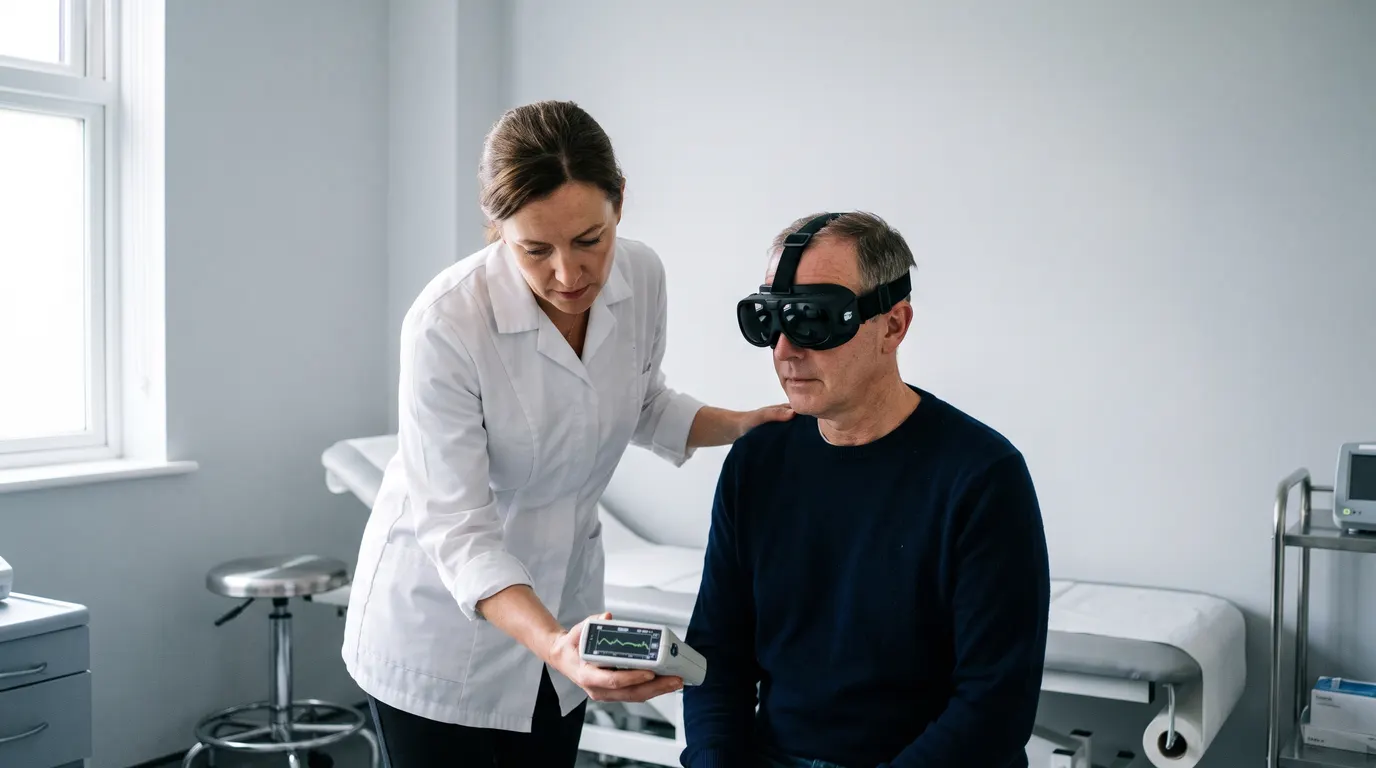
Dizziness is subjective, which is why these claims are contested. Where clinically indicated, the expert can support the opinion with vestibular investigations, such as positional testing for BPPV, so the diagnosis rests on examination findings rather than on the claimant's account alone and can withstand challenge.

Causation addressed directly
Vertigo after trauma has several possible mechanisms, including BPPV triggered by head movement in a collision and labyrinthine concussion after a blow to the head. The report sets out which of them fits the history and the examination, and separates the accident-related symptoms from any pre-existing condition.
When to instruct a vestibular report
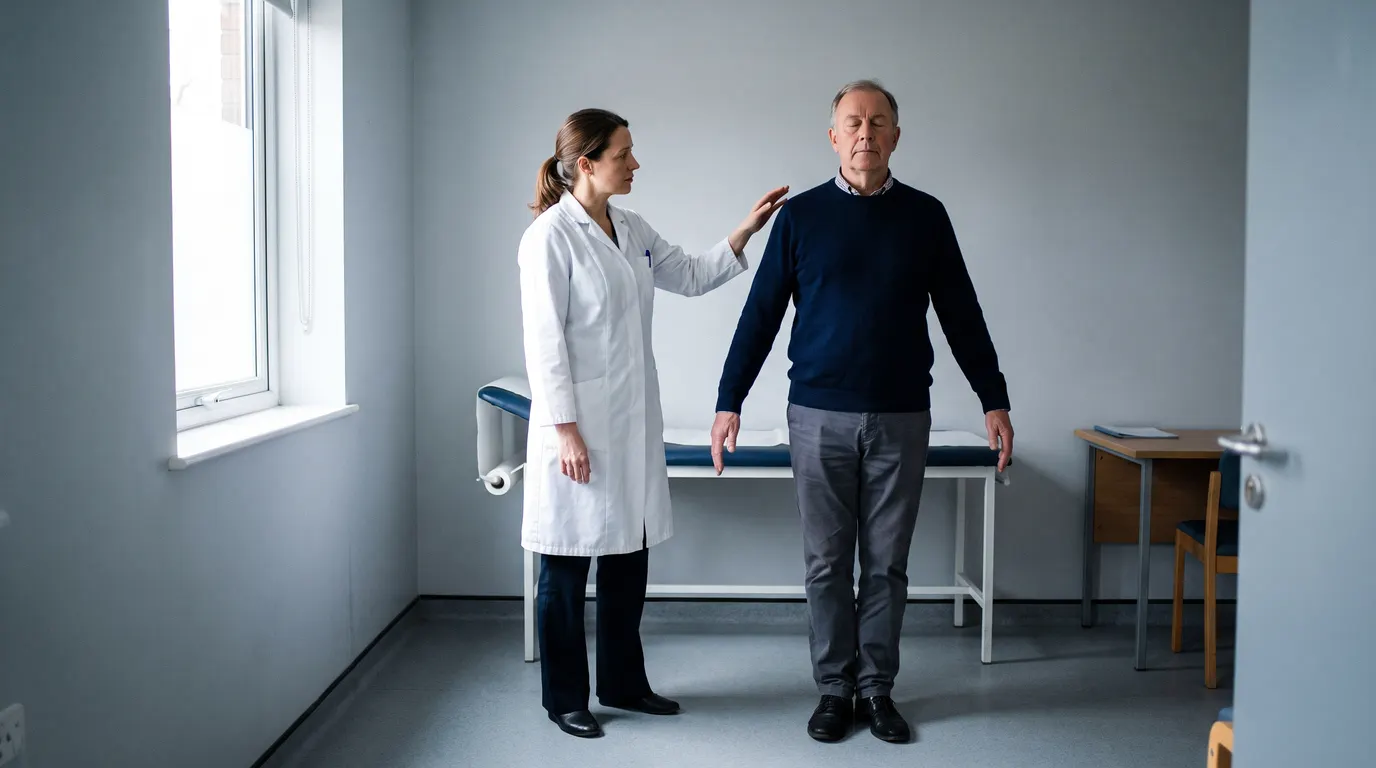
Dizziness that persists after a road traffic accident, a fall or a blow to the head is the usual trigger. It is also worth considering where a claimant reports unsteadiness that an orthopaedic or general practitioner report has not addressed, or where the defendant disputes that the symptoms are accident related.

What the report sets out
The history, the examination findings, any test results relied on, the diagnosis and the reasoning behind it, the opinion on causation, the prognosis and the effect on work and daily life. It also records the material instructions and carries the declarations and statement of truth that Practice Direction 35 requires.
Balance evidence for claims that turn on dizziness
Dizziness rarely shows on a scan, so these claims stand or fall on the quality of the clinical assessment. A vestibular specialist report gives the court a reasoned diagnosis, a causation opinion tied to the mechanism of injury, and a prognosis the parties can value the claim against.
- Vertigo and dizziness after road traffic accidents
- Benign paroxysmal positional vertigo (BPPV) following whiplash
- Labyrinthine concussion after head injury
- Post-traumatic vestibular migraine
- Persistent postural-perceptual dizziness (PPPD)
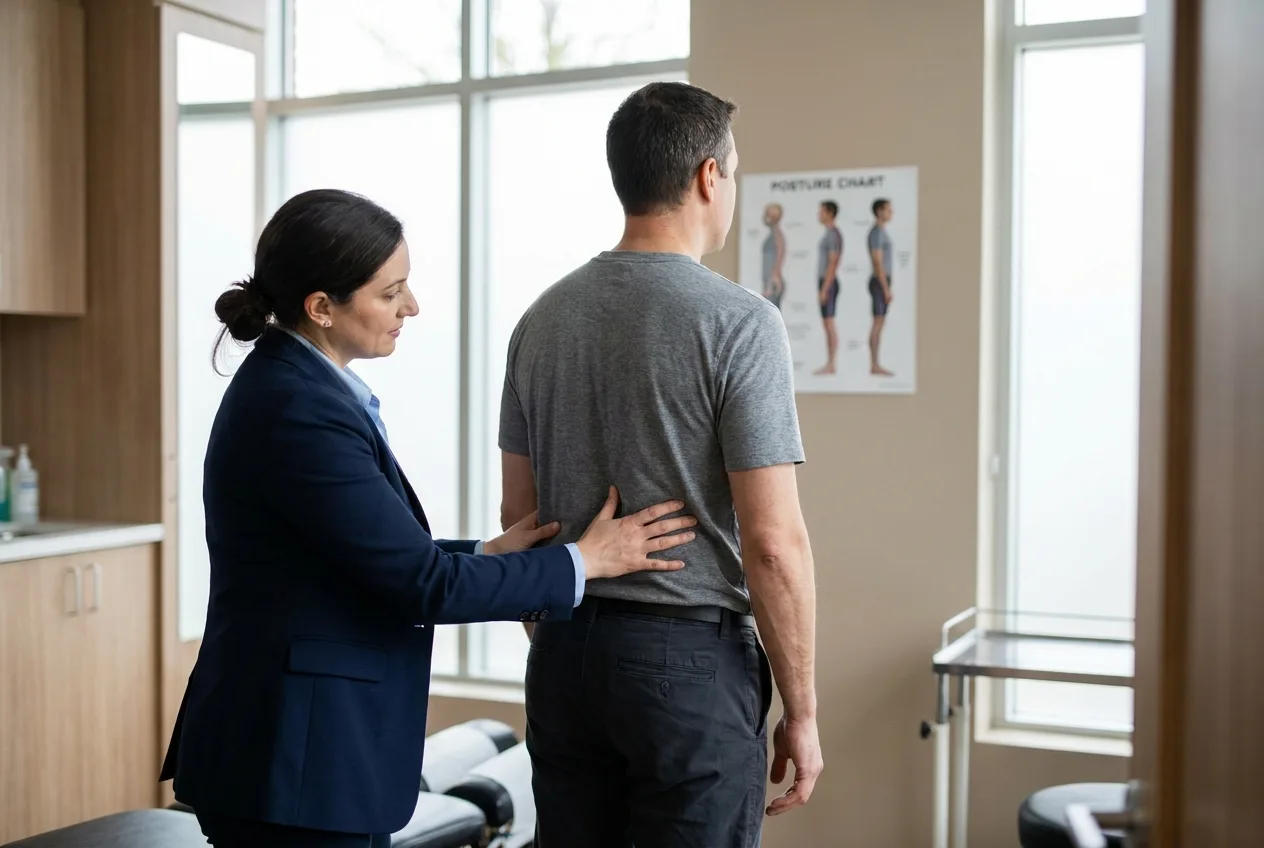
- Balance problems and falls risk after trauma
- Tinnitus and hearing symptoms alongside vestibular injury
- Opinion on causation, prognosis and treatment options
- Condition and prognosis reports under CPR Part 35
- Responses to Part 35 questions after the report is served


Ready to instruct Expert Medical?
Whether you have a single instruction or a high-volume caseload, our team is ready to help. Call us directly or send an enquiry and we’ll respond within 24 hours.