Psychiatric assessment for immigration or asylum
We arrange independent psychiatric and psychological assessments with registered clinicians, and we arrange an interpreter if you need one. You can contact us directly. We do not give immigration or legal advice.
Arranging a psychiatric assessment
If you need an independent psychiatric or psychological assessment in connection with an immigration or asylum matter, we can arrange it. You can contact us yourself. You do not need a solicitor to speak to us.
We arrange the appointment. We are not the clinician, and we do not give advice about immigration or asylum cases. If you ask us whether a report will help your case, we will tell you honestly that we cannot answer that and that you need a solicitor or a regulated immigration adviser. That is not us being unhelpful. It is the line we are required to keep, and keeping it protects you.
Check legal aid before you pay us. Legal aid is still available for some asylum and immigration matters, and where it applies your solicitor arranges and funds the report. If you are receiving asylum support you may well qualify. Speak to a solicitor first so you do not pay for something you are entitled to have funded.

What we do, and what we do not do
 We arrange, we do not adviseWe book you in with an independent psychiatrist or psychologist. We do not give immigration or legal advice, and we will tell you when a question needs a solicitor instead of us.
 Registered cliniciansAssessments are carried out by psychiatrists registered with the GMC or psychologists registered with the HCPC, matched to the type of question being asked.
 Interpreters arrangedTell us your language and we arrange an independent professional interpreter, so you can speak in the language you are most comfortable in.
 A clear cost, agreed firstWe quote before anything is booked and put it in writing. Nothing goes ahead until you have agreed to it.
 An independent opinionThe clinician reaches their own conclusion. We do not influence it, and the report says what they actually find.
 Treated with careAssessments that cover trauma are handled sensitively, at your pace, with breaks whenever you need them.
What happens on the day
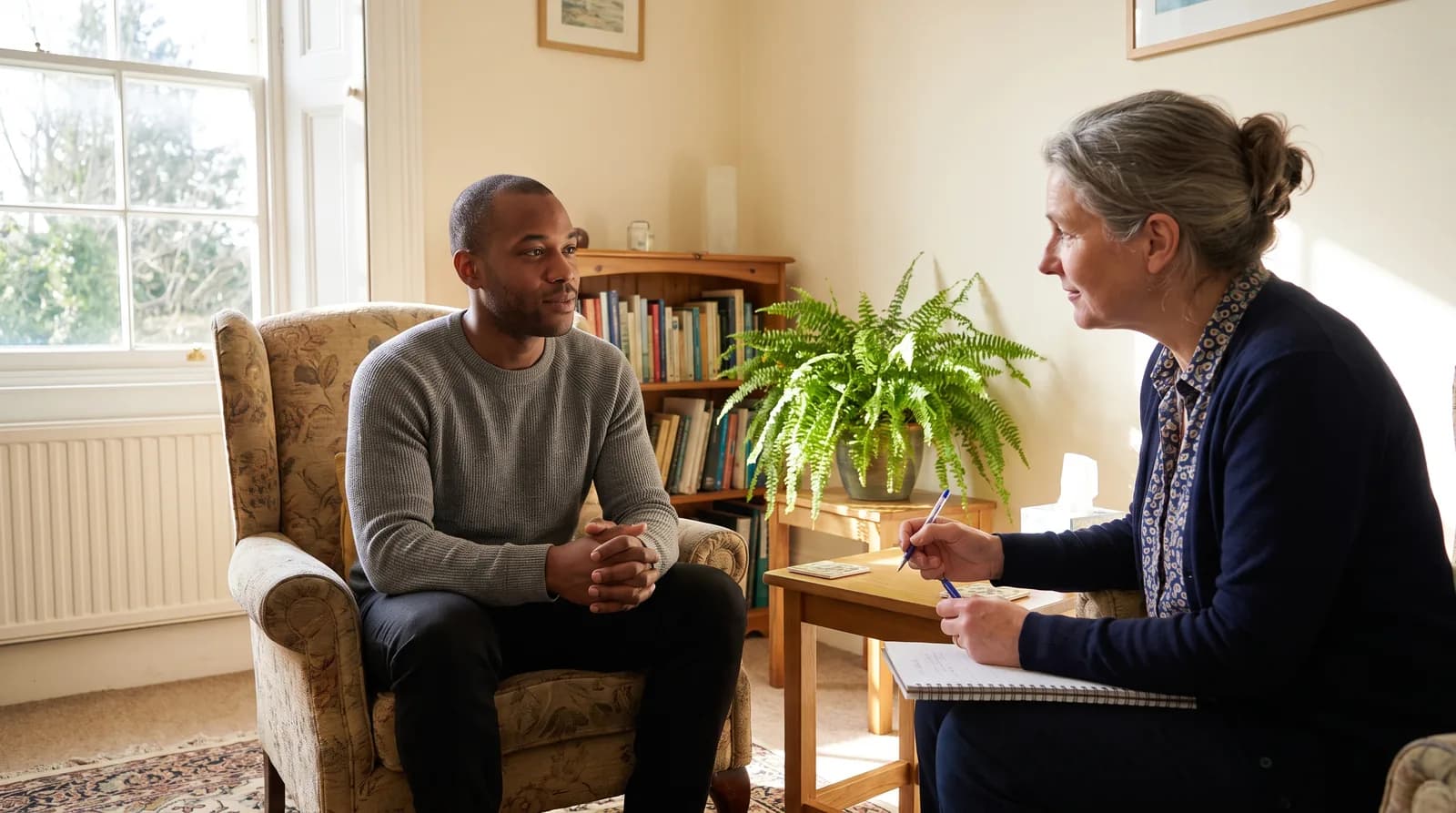
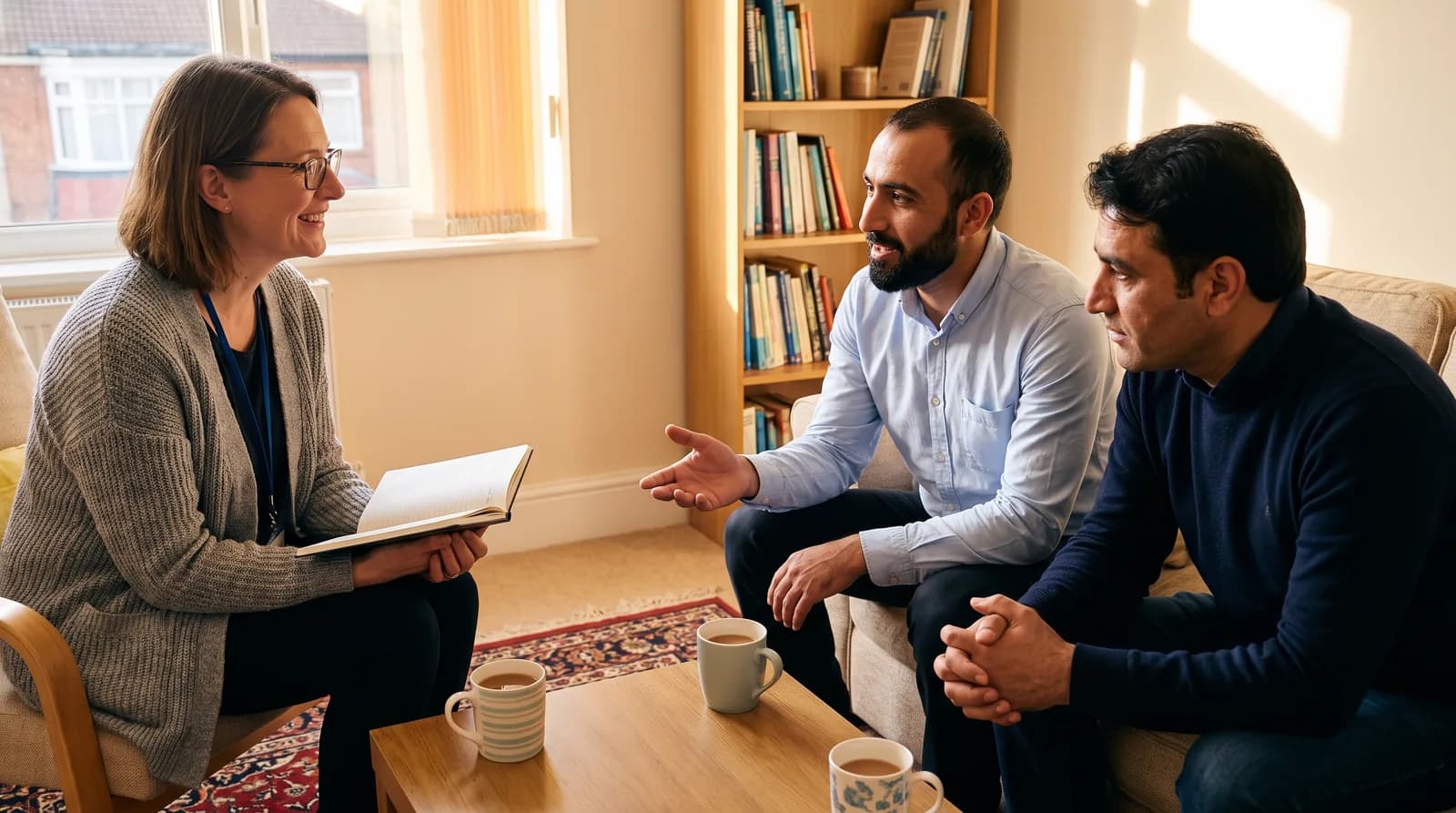
You meet a psychiatrist or psychologist, usually for one to three hours. They ask about your background, your health, how you are sleeping, and how you have been feeling.
If your history includes violence, torture or exploitation, they will ask about it. You can stop, take a break, or say you do not want to answer something. Clinicians who do this work are used to difficult conversations and there is no need to rush.
If you need an interpreter, tell us the language when you contact us and we arrange one. A friend or family member should not interpret, because it affects the independence of the report and can make it harder to speak freely.
How it works

- 01You contact usBy phone or the enquiry form. Tell us what you need and which language you speak.
- 02We explain and quoteWhat the assessment involves, what it costs, how long it takes. In writing, no obligation.
- 03We book the appointmentWith a suitable clinician, and an interpreter if you need one.
- 04You attend the assessmentIn person or remotely where that is suitable. You can take breaks.
- 05The report is preparedThe clinician writes their independent opinion and we send it to you or to whoever you nominate.
Things worth knowing first
The report says what the clinician finds. It may not support your account. The clinician cannot leave findings out, and once a report exists it may have to be disclosed. An independent report is only worth having because it is independent.
A solicitor usually makes the report more useful. A report answers the questions it is asked. A solicitor knows which questions matter in your case. If you have one, speak to them before arranging anything yourself.
If your case is legally aided, do not pay us. Where legal aid covers the report, your solicitor arranges and funds it. Speak to them first so you do not pay for something you are entitled to have funded.


We cannot advise on your case, but these can
We are not able to advise you on your immigration or asylum matter, and we will not try. If you do not have a solicitor, these are places to start. Legal aid is still available for some asylum and immigration matters.
- Find a regulated immigration adviserGOV.UK, for advisers authorised to advise on immigration
- Law Society, Find a SolicitorSearch for a solicitor by area of law and location
- Check if you can get legal aidGOV.UK eligibility checker
- Citizens AdviceFree, independent advice and local referrals
Common questions

Before you contact us
Yes. You can contact us directly and we will arrange an appointment with an independent psychiatrist or psychologist. Most people come to us through their solicitor, but you do not have to. If you do have a solicitor, it is usually better to speak to them first, because they know what questions the report needs to answer in your case.
We arrange the assessment. We find a suitable clinician, book the appointment, arrange an interpreter if you need one, and send you the report when it is ready. We do not carry out the assessment ourselves and we do not give advice about your immigration or asylum case. The clinician forms their own independent opinion and we do not influence it.
We cannot answer that. Whether medical evidence helps a particular case is a legal question, and only a solicitor or a regulated immigration adviser can answer it. We are not able to advise on your case and we will not pretend otherwise. What we can tell you is what an assessment involves and what a report contains, so you can take that to someone qualified to advise you.
We cannot recommend a solicitor or advise on your case, but free and regulated help exists. Legal aid remains available for some asylum and immigration matters. You can search for a regulated adviser through the Immigration Advice Authority, and the Law Society has a find-a-solicitor service. Charities including Refugee Action and Citizens Advice can point you towards free advice in your area.
Contact us and we will tell you honestly whether we can help. Assessments in detention have particular practical requirements around access and timing. If we are not the right organisation for your situation, we will say so rather than take a booking we cannot properly deliver.
The assessment
You meet a psychiatrist or psychologist, usually for one to three hours. They will ask about your background, your health, your mood and sleep, and what you have experienced. If your history includes violence, torture or exploitation, they will ask about it, and you can take breaks at any point. Talking about these things can be distressing, and the clinician is used to that.
You do not need to prepare a statement or rehearse anything. Bring any medicines you take, or a list of them, and the name of your GP practice if you have one. If you have hospital letters or a diagnosis from another doctor, bring those too. Answer as honestly as you can, including saying when you do not remember something. There is no benefit in exaggerating, and clinicians are experienced at noticing it.
Yes. Tell us which language you need when you contact us and we will arrange an independent professional interpreter. A family member or friend should not interpret for a medico-legal assessment, because it affects the independence of the report and can make it harder to speak openly.
No. An NHS assessment is about your treatment and care. An independent medico-legal assessment is arranged separately, is not part of your NHS care, and produces a written report for use in a legal matter. Your NHS records may still be relevant, and the clinician may ask for your permission to see them.
The report
A report usually sets out your background and history, the medicines and treatment you have had, what the clinician observed during the assessment, any diagnosis they reach, and their opinion on how your mental health may be affected going forward. It explains the reasoning behind the opinion, and it says where the clinician is uncertain. It is written for the people who will read it, so it avoids unnecessary jargon.
The clinician writes what they find. They cannot leave things out or change their opinion because it is unhelpful, and once the report exists it may have to be disclosed. This is worth understanding before you go ahead. An independent report is only useful because it is independent, and that means the conclusion is not guaranteed to support your account.
The assessment is confidential and your information is handled in line with UK data protection law. The report goes to you, or to whoever you tell us to send it to. Bear in mind that if you use the report in your case, it will be seen by the tribunal and the Home Office. If the clinician becomes seriously concerned about your safety or someone else's, they may have a professional duty to act on that, and they would normally discuss it with you.
Cost and timing
There is no single price. Fees vary with the clinician's specialty, the length of the assessment and how many documents need reviewing, and reports of this kind commonly run into four figures. That is why we quote for each enquiry in writing rather than publishing a fixed rate. Before you pay anything, check whether your case is covered by legal aid, because if it is, the report is funded through that and arranged by your solicitor.
That depends on how your case is funded. If you have a solicitor and legal aid covers your matter, the report is usually paid for through that funding and your solicitor arranges it, so speak to them before you pay anything yourself. If legal aid does not cover your case, or you do not have a solicitor, you can instruct us directly and pay for the report yourself. We tell you the full cost in writing before anything is booked, and nothing goes ahead until you have agreed to it.
No. Contact us first and we will explain what the assessment involves and what it will cost, with no obligation. If you have a solicitor, take that information to them. If you do not have one and you are unsure whether you need a report at all, we would encourage you to get legal advice first, because we cannot give it.
We aim to offer an appointment within a few weeks of your enquiry, and the clinician usually needs a further period after the appointment to prepare the report. The exact timing depends on the clinician's availability, whether an interpreter is needed, and how much material there is to review. We will give you a realistic timescale before you commit to anything.
Ready to instruct Expert Medical?
Whether you have a single instruction or a high-volume caseload, our team is ready to help. Call us directly or send an enquiry and we’ll respond within 24 hours.