
AI-generated editorial imagery illustrates this guide; it does not depict actual patients, case files or Expert Medical staff or premises.
A letter of instruction to a medical expert should explain the case, identify the medical questions and organise the supporting documents. It should also make practical arrangements clear: who is instructing, what report is needed, whether an examination is required and when the work is due. This checklist is for solicitors and case handlers in England and Wales preparing a personal injury instruction.
Use it as an administrative preparation tool, not as a substitute for a case-specific letter, legal advice or the applicable court directions. Clinical negligence and other specialist work may need a different scope. An MRO can organise the reporting process; the medical opinion remains the expert’s own.
At a glance: prepare the instruction in six parts
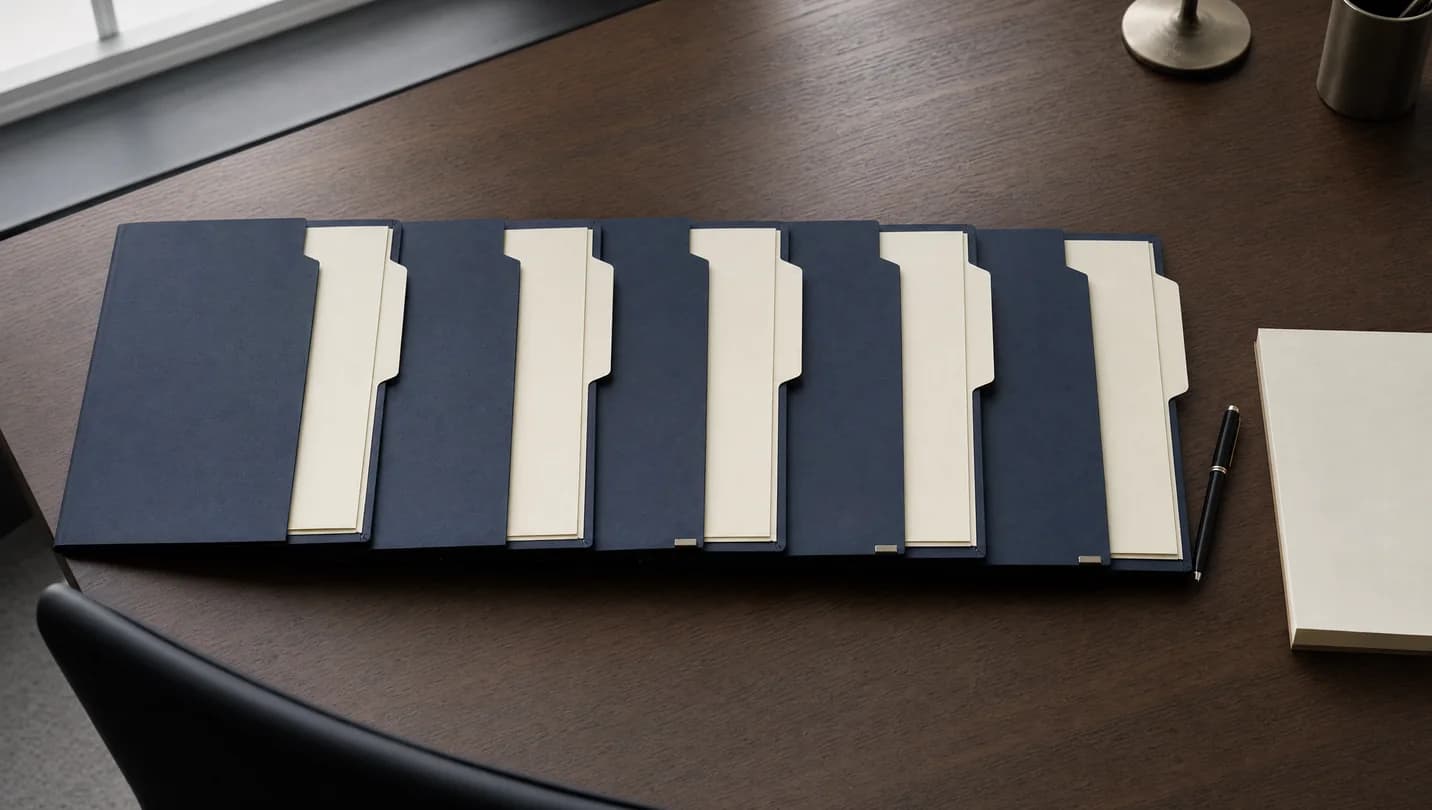
- Case summary and instruction route.
- Medical discipline and questions to answer.
- Indexed records and supporting documents.
- Examination and communication arrangements.
- Deadlines, fees and responsibility for payment.
- Final checks and an agreed method for transferring records.
Download the illustrated instruction guide (PDF). It covers the six preparation stages and is not a legal precedent. Keep any case-specific notes in your firm’s case-management system, not in a public website form.
1. Identify the case and the instruction route

Start with your firm, the responsible case handler and a case reference. Explain the type of claim, the incident date, the injuries being considered and the purpose of the requested report. A short factual chronology is more useful than a large bundle with no explanation of what the expert is being asked to address.
Distinguish allegations, agreed facts and disputed accounts. For example, if two documents record different incident dates, flag the discrepancy instead of silently selecting one. Make clear whether you are asking for a first report, a supplementary opinion or a review of additional material.
Before arranging a provider, check the applicable protocol. Where the first fixed-cost report must be sourced through MedCo, use that process rather than treating this checklist as a direct-instruction route. For other personal injury cases, check the expert-selection procedure in the Pre-Action Protocol for Personal Injury Claims and any court order. Our MedCo guide explains the distinction.
2. Match the questions to the medical discipline

State the medical issues before asking for availability. A request for an orthopaedic opinion, for example, should identify the injury and the questions that need that expertise. If the instruction involves several disciplines, separate their proposed tasks so that gaps and overlap can be discussed at the outset.
Use neutral questions that invite a reasoned opinion. Depending on the case, subjects may include diagnosis, the relationship between the incident and symptoms, relevant prior history, current limitations and the likely course of recovery. Ask the expert to identify missing information or matters outside their expertise rather than expecting every question to have a definite answer.
Under CPR Part 35, the expert’s overriding duty is to the court. Instructions should not ask for a favourable conclusion or treat the report as a promise of a particular claim outcome. Choose the appropriate discipline using our specialist reports directory.
3. Make the records usable

Provide a document index with clear file names, dates and page references. Identify what is enclosed, what has been requested and what remains unavailable. If the bundle will arrive in stages, explain that before the expert begins work.
Discuss which records the expert needs for the agreed scope. These may include relevant GP and hospital records, imaging reports, earlier expert reports and other case documents. Do not select documents only because they support one account. Explain important gaps, inconsistent dates and any material that has been replaced by a later version.
Practice Direction 35 addresses the material an expert relies upon and the distinction between facts within the expert’s own knowledge and other information. A clear document schedule helps the expert explain the basis of the opinion. It does not remove the expert’s responsibility to review the evidence.
4. Agree examination and communication arrangements

Check whether the proposed work requires an examination or a records review. Record the claimant’s location, availability and any accessibility, interpreter or communication requirements relevant to arranging the appointment. Ask how identity checks and appointment changes will be handled.
Keep administrative arrangements separate from the questions requiring clinical judgment. The case handler may coordinate dates and documents, but should not pre-empt the expert’s decision about whether more information or an assessment is needed.
5. Confirm deadlines and fees before work begins

Distinguish an appointment date, a requested report date and a court deadline. State any hearing or procedural dates the expert needs to know, and obtain confirmation that the proposed timetable is achievable. Avoid assuming that sending a deadline means it has been accepted.
Ask what the quoted fee covers: the volume of records, examination, report and any anticipated additional work. Clarify responsibility for payment and the arrangements for cancellations, further records, addenda and later questions. Our medico-legal report cost guide explains the factors to discuss; the actual fee should be agreed for the instruction.
6. Complete a final handover check

Before transfer, confirm the recipient and agree the appropriate method for sending confidential records. Do not paste detailed medical histories or upload case bundles through a general enquiry channel unless that channel has expressly been agreed for this purpose.
Check that the letter, chronology, index and attachments refer to the same case and version. Nominate one contact for missing documents and administrative queries. Ask for acknowledgement of the instruction, scope, fee and timetable, and keep that confirmation with the case record.
Common questions

Is this checklist a letter of instruction template?
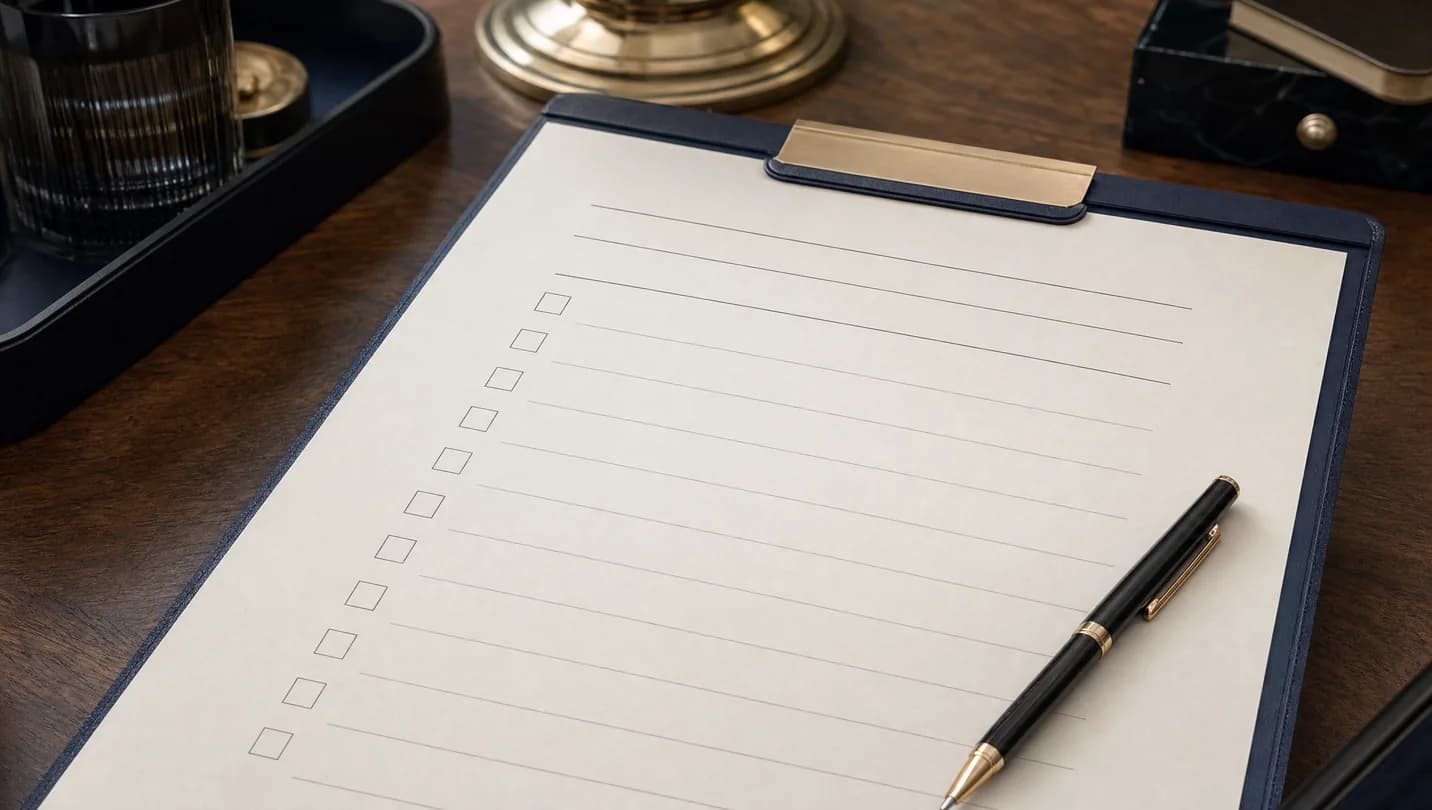
The illustrated guide is a preparation resource, not a complete legal letter or approved precedent. It helps organise the information needed before drafting. The instructing solicitor should prepare the actual letter for the case, using the applicable protocol, court directions and their firm’s approved drafting resources.
Does using an MRO change the expert’s duty?

No. An MRO manages arrangements such as expert allocation, appointments and document coordination. The expert remains responsible for the medical opinion. Our CPR Part 35 guide explains that duty and the distinction between preparing a report and obtaining permission to rely on expert evidence.
Discuss a medical expert instruction

Expert Medical works with solicitors in England and Wales to arrange independent medico-legal reports. For a direct instruction, begin with the claim type, medical discipline and relevant deadlines; agree the scope and records-transfer arrangements before sending detailed case material. Read about our service for solicitors or contact the team.
Sources checked: 13 September 2026. Published by Expert Medical. This is general administrative information, not legal or medical advice. It does not claim independent professional review or replace the current rules, relevant protocol or a court order.