
A medical causation report is an independent expert's opinion on whether an event or a breach of duty caused an injury, and how much of the person's condition it explains. It matters because a claim can have a clear injury and still fail on causation.
This guide is for solicitors and insurers reading one, and sets out what to check before relying on it.
What is a causation report?
A causation report answers one question: what caused this injury or condition? In clinical negligence, the expert is usually asked what would have happened with proper care, and whether the outcome would have been different. In personal injury, the question is more often whether the accident caused the symptoms, made an existing condition worse, or brought forward problems that would have appeared anyway.
The report is written for the court, not for the side paying for it. Under CPR 35.3, the expert's duty to help the court overrides any obligation to whoever instructed or paid them. Most of Part 35 does not apply on the small claims track, although this duty still does (CPR 27.2). In other claims, the report must meet the same requirements as any other medico-legal report.
Causation, breach of duty and prognosis: different questions
These three questions can sit in the same instruction, but they are not the same.
- Breach of duty asks whether the care fell below the proper standard. In clinical negligence, this requires an expert with appropriate expertise and experience in the care being criticised.
- Causation asks what difference the failing, or the accident, actually made.
- Condition and prognosis asks what the person's condition is now and how it is likely to develop.
The right causation expert may not be the breach expert. A GP can comment on a delayed referral, but a different specialist may be needed to say what earlier treatment would have changed. In clinical negligence, separate expert opinions may be needed on causation and on condition and prognosis.
How is causation proved in a claim?
The standard of proof is the balance of probabilities: more likely than not. The usual test is "but for": would the injury probably not have happened but for the negligence or accident?
Some cases do not fit that test. In Bailey v Ministry of Defence, a cumulative cause case, the Court of Appeal said that where medical science cannot establish "but for", but can establish that the negligent contribution was more than negligible, the test is modified and the claimant succeeds.
A lost chance of a better outcome is not recoverable in itself (Gregg v Scott). So a report saying only that earlier treatment "might" have helped may not answer the question. Check that the expert has given an opinion on what was probable. The expert gives the medical opinion, and the court decides whether causation is proved.
What records and instructions does the expert need?
A causation opinion is only as sound as the material behind it. Depending on the issues, that may mean GP records, hospital notes, imaging and the account of what happened. For claims within the RTA Small Claims Protocol, however, the expert is normally not expected to need medical records, and any review must be justified in the report. The same expectation applies in most Low Value RTA Protocol claims worth no more than £10,000.

Ask direct questions in the instruction. Our letter of instruction checklist sets out what to include.
Worked example: checking the reasoning behind a causal opinion
This example is fictional. Ms A, aged 52, slips at work and twists her right knee. Eight months later she still has pain, and the report concludes that the fall caused it. Her GP records show an entry for knee pain 14 months before the fall.
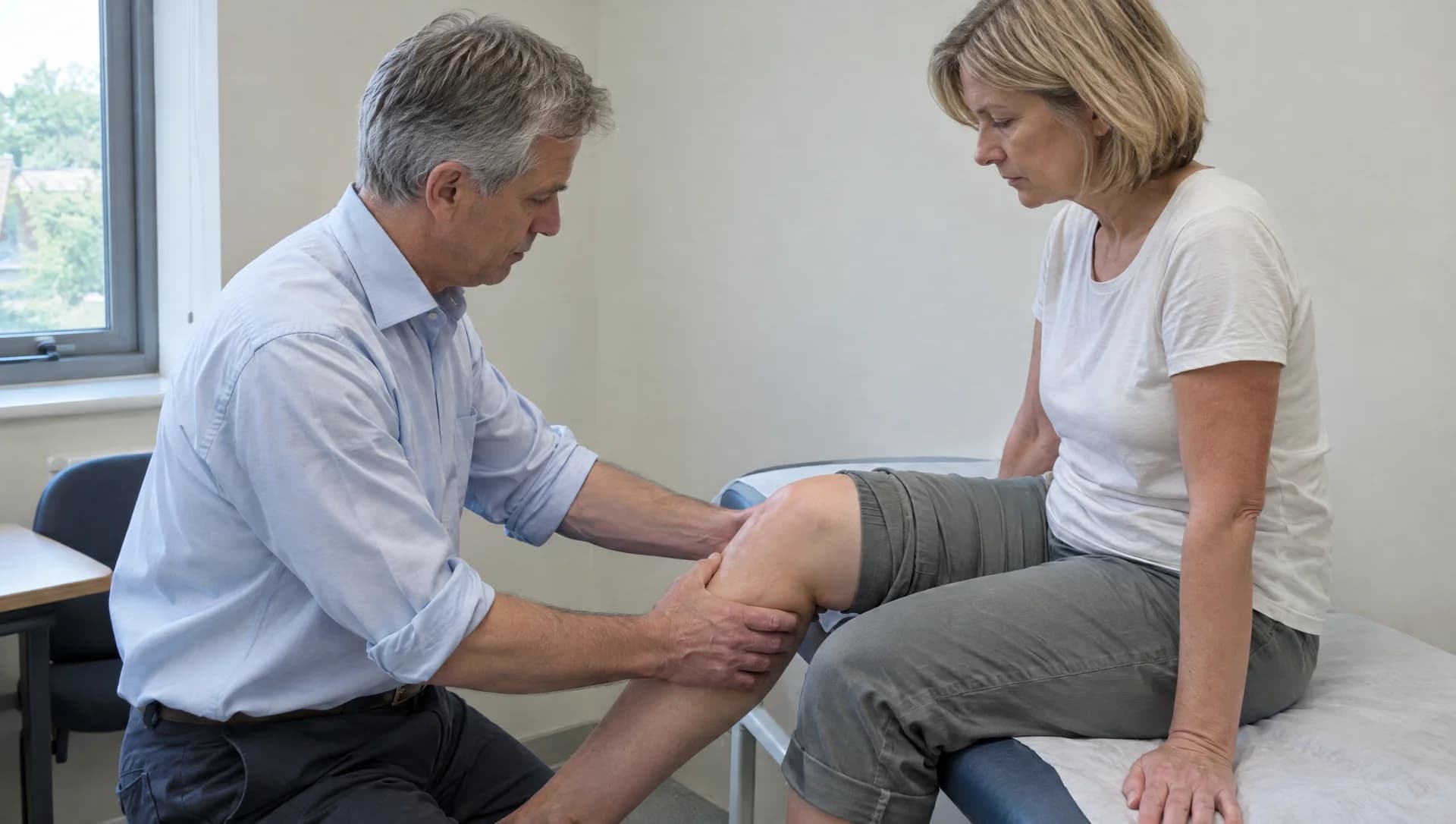
A careful reader would ask the following questions.
- Has the expert seen the earlier entry, and is it listed in the material reviewed?
- Has the expert dealt with it, or simply left it out?
- Does the report explain what changed after the fall?
- Does it separate the effect of the fall from any existing problem?
- Did the fall cause a new injury, make the knee worse for a period, or bring symptoms forward, and if so by how long?
A stronger report would address the entry directly and give reasons. It might conclude that the fall worsened an existing problem for around 12 months, after which Ms A's symptoms would have been at the level expected without it. The report would still need to explain why the history and clinical findings support that conclusion and the estimated 12-month period.
Pre-existing conditions, missing evidence and alternative explanations
Three points are worth testing in any causation report. The Part 35 provisions cited apply where Part 35 governs the report.
- Other explanations. The report should say what other causes the expert considered and why they were rejected. Where there is a range of opinion, it must summarise the range and give reasons for the expert's own view (PD35 3.2(6)).
- Missing evidence. If the expert cannot give an opinion without qualification, the report must state the qualification (PD35 3.2(8)). Gaps in the records should be stated, not passed over.
- Disputed facts. Where material facts are disputed, experts should give separate opinions on each version. They should only favour one if their expertise leads them to consider another improbable or less probable, and they should give reasons (Guidance for the Instruction of Experts, paragraph 58).
Questions to ask when the report needs clarification
CPR 35.6 allows proportionate written questions to another party's expert or a single joint expert. It does not apply on the small claims track. Unless the court permits otherwise or the other party agrees, questions may be put once, within 28 days of service, solely to clarify the report. The answers are treated as part of the report.

Useful neutral questions include the following.
- Which records did you rely on for the date the symptoms began?
- Would your opinion change if the earlier entry in the records is accurate?
- What would you expect the person's condition to be now if the event had not happened?
- Which other causes did you consider, and why did you exclude them?
For more on the rules, see our guide to CPR Part 35.
Expert Medical arranges independent medico-legal reports for solicitors and insurers, including reports on causation and on condition and prognosis. The opinion in each report is the expert's own. Typical fees are on our report costs page. Where a first report must be sourced through MedCo, a MedCo search comes first, and we can accept the instruction only if we are shortlisted and selected. This article is general information, not legal advice.