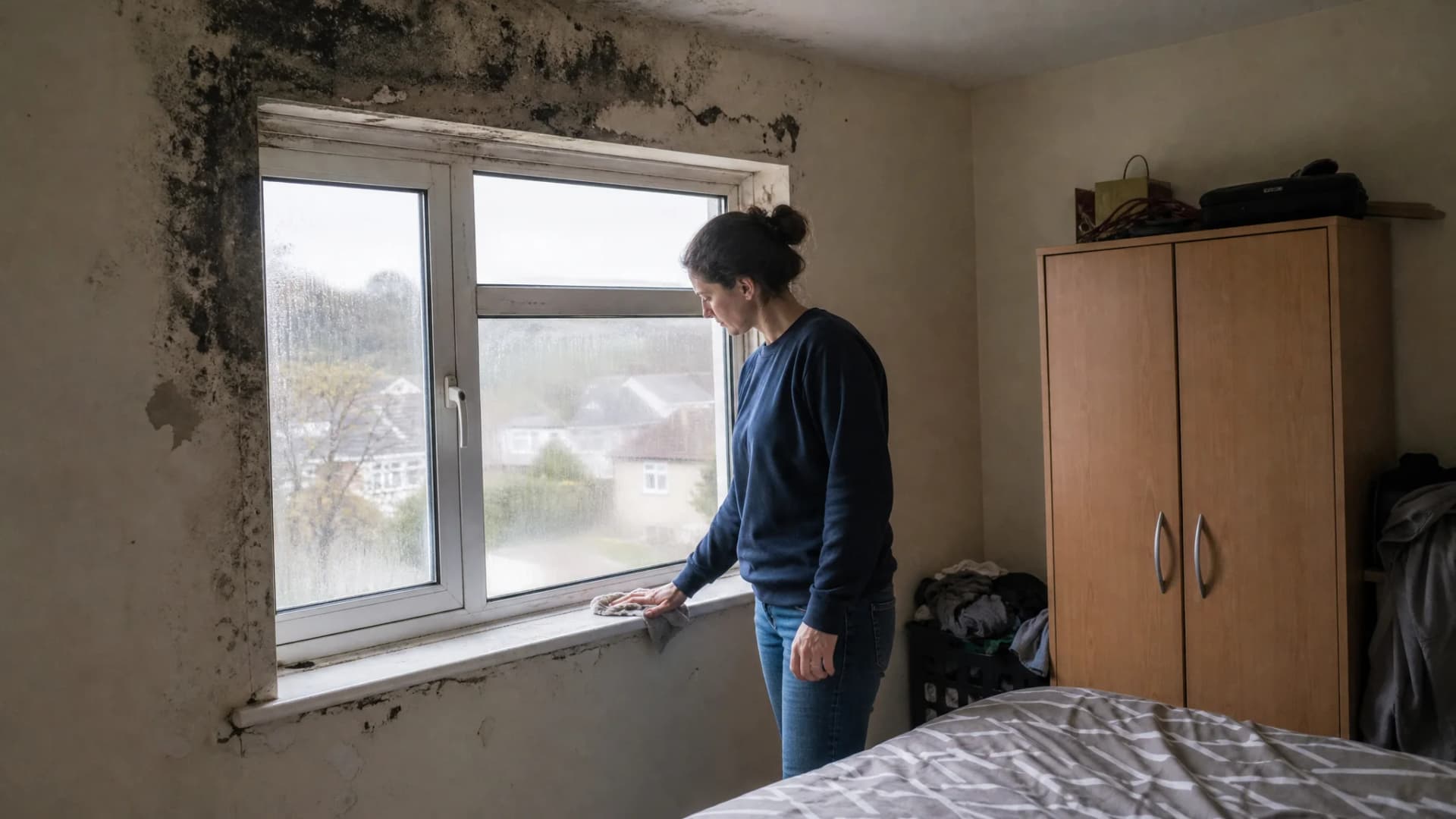
A housing disrepair claim is a civil claim about the condition of a rented home, usually brought by a tenant against their landlord. It can ask a court to order repairs, award compensation or both, and it can include a claim for illness or injury the conditions caused.
The court rules call it a housing conditions claim. The pre-action protocol was renamed when it was revised to cover fitness for human habitation as well as disrepair. The older name has stuck all the same: the government's own call for evidence in December 2025 was titled "Housing disrepair claims".
This guide covers England. It explains the landlord's duties, the pre-action process and the role of independent medical evidence. Expert Medical arranges independent medical reports. It is not a law firm or a claims management company, so treat this as general information and not legal advice.
Poor conditions are common. The English Housing Survey recorded a damp problem in 9.9% of privately rented homes in 2024, 8.1% of council homes and 6.2% of housing association homes, against 3.8% of owner-occupied homes. Across all tenures that is about 1.4 million homes.
What counts as housing disrepair
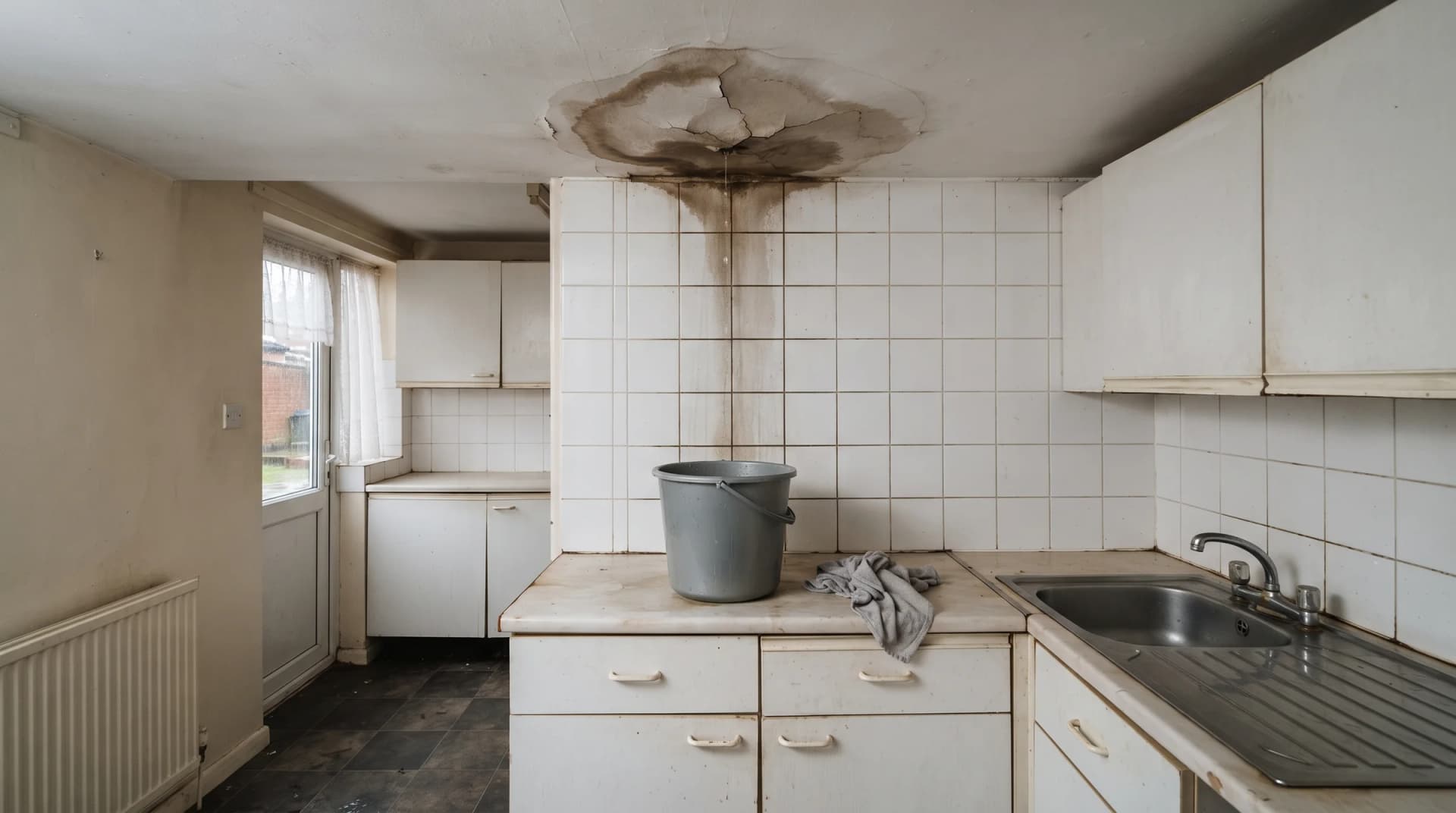
The Landlord and Tenant Act 1985 puts two duties on landlords: repair, and fitness for human habitation.
Section 11 deals with repair. The landlord must keep in repair:
- the structure and exterior of the home, including drains, gutters and external pipes
- the installations for supplying water, gas and electricity and for sanitation, including basins, sinks, baths and toilets, but not other fixtures, fittings and appliances that use those supplies
- the installations for heating rooms and heating water
The installations in the last two must also be kept in proper working order. The standard of repair takes account of the age, character and prospective life of the home and its locality.
Section 9A deals with fitness. Added on 20 March 2019, it implies a term that the home is fit for human habitation when the tenancy is granted, or when its term begins if that is later, and will remain fit throughout. Section 10 lists what a court looks at: repair, stability, freedom from damp, internal arrangement, natural lighting, ventilation, water supply, drainage and sanitary conveniences, and facilities for preparing and cooking food and disposing of waste water. In England the list also takes in any hazard prescribed under the Housing Act 2004.
A home counts as unfit only if it is "so far defective in one or more of those matters that it is not reasonably suitable for occupation in that condition".
For a flat, both duties reach beyond the front door to parts of the building in which the landlord has an interest. Neither requires the landlord to do repairs the tenant is liable for through the duty to use the home in a tenant-like manner, or to rebuild after fire, storm, flood or other inevitable accident.
The landlord's legal duties in England
Section 11 applies to tenancies granted on or after 24 October 1961 for a term of less than seven years. Section 9A covers tenancies of less than seven years and certain others, with exceptions and separate rules for tenancies that began before it came in. The protocol deals with council, housing association and private tenants alike.
Terms that try to exclude or limit the fitness duty are void. A clause that passes the section 11 repairs to the tenant is of no effect, with limited exceptions such as the tenant's own duty to use the home in a tenant-like manner.
The protocol says tenants should make sure the landlord is aware of the conditions before using it, and it is meant for cases where the landlord knows and the problem is still unresolved. The tenant, for their part, must let the landlord in to inspect at reasonable times of day and on at least 24 hours' written notice.
Section 4 of the Defective Premises Act 1972 covers injury. A landlord with an obligation to maintain or repair must take reasonable care to see that anyone who might reasonably be expected to be affected is reasonably safe from personal injury, or damage to their property, caused by a defect the landlord was obliged to put right. The duty arises if the landlord knows of the defect or ought to have known of it. That is one reason a claim can include the health of a partner or a child and not only the person named on the tenancy.
Wales has separate law. Section 9A applies only in England. In Wales the Renting Homes (Wales) Act 2016 sets the fitness and repair duties for occupation contracts, and Welsh cases have their own protocol.
Damp, mould and Awaab's Law
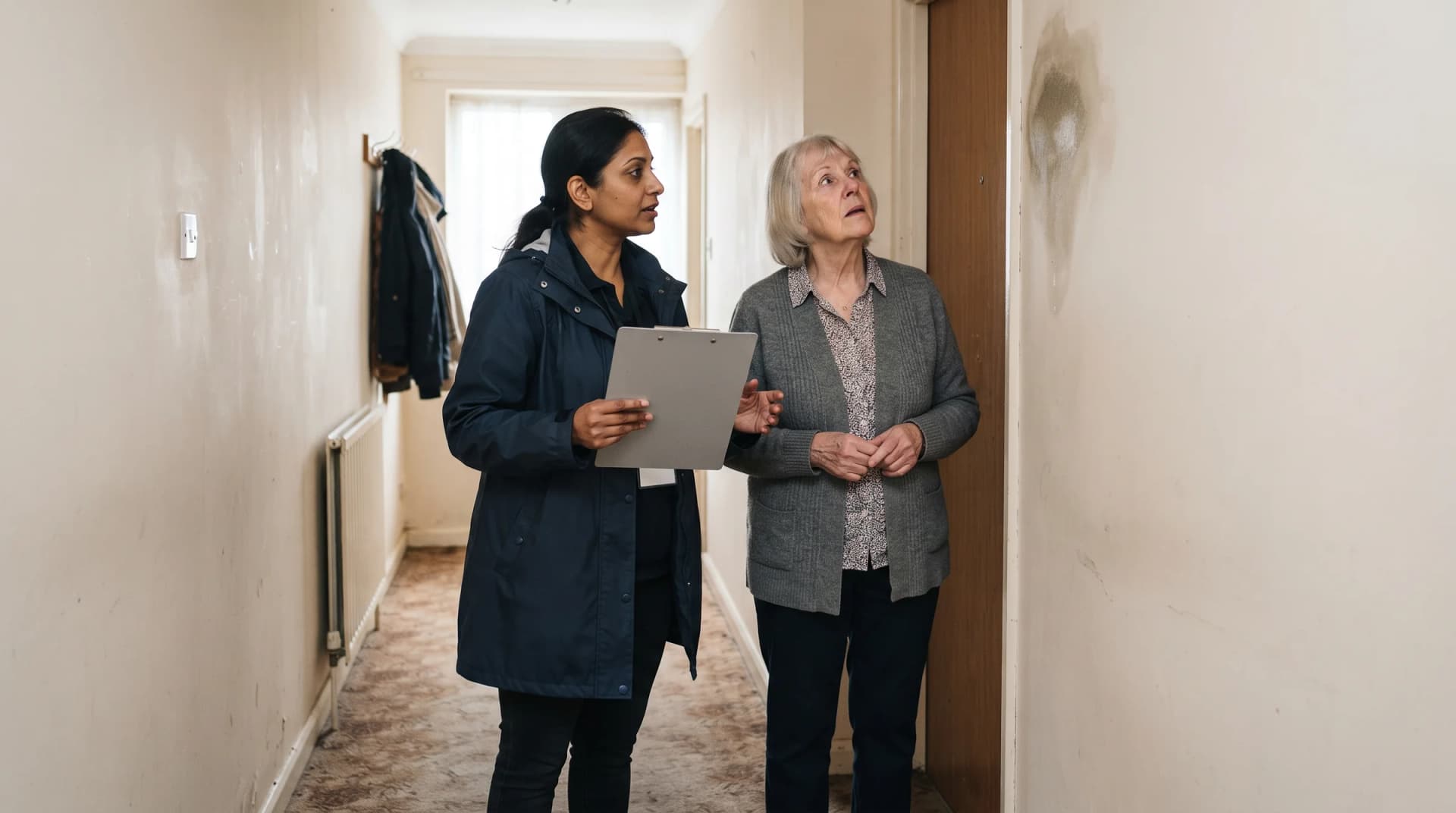
Awaab Ishak died on 21 December 2020, aged two. The coroner's report gives the medical cause as acute airway oedema with severe granulomatous tracheobronchitis due to environmental mould exposure.
The law named after him is section 10A of the Landlord and Tenant Act 1985, together with regulations that came into force on 27 October 2025. It applies to social housing tenancies in England where the landlord is a registered provider of social housing, and it does not cover low cost home ownership homes. The government summarises the main requirements this way. A social landlord must:
- investigate a potential emergency hazard and, if one is found, complete the relevant safety work as soon as reasonably practicable, with both done within 24 hours of becoming aware of it
- investigate a potential significant hazard within 10 working days of becoming aware of it
- give the tenant a written summary of the findings within 3 working days of the investigation concluding
- where a significant hazard is found, complete the relevant safety work within 5 working days of the investigation concluding
- begin, or take steps to begin, the work needed to stop the hazard recurring within 5 working days, and if it cannot begin then, begin it as soon as reasonably practicable and within 12 weeks
- secure suitable alternative accommodation for the household, at the landlord's expense, if the relevant safety work cannot be completed in time
That is a summary. The regulations themselves add conditions and exceptions, including a longer investigation period where the tenant asks for a physical inspection.
For now a significant hazard is one associated with damp, mould or fungal growth that poses a significant risk of harm to an occupier's health or safety. An emergency hazard is any prescribed hazard, other than overcrowding, posing an imminent and significant risk that a reasonable landlord would take steps to make safe within 24 hours. In both cases the hazard must arise from something the landlord is responsible for, and not mainly from the tenant's own breach of the tenancy.
Draft regulations laid before Parliament on 13 July 2026 would widen significant hazards from 30 November 2026. The government's list is excess cold, excess heat, falls, structural collapse, fire and explosions, electrical hazards and domestic hygiene, with exclusions that include fire hazards in parts of a building regulated by the Fire Safety Order. On 11 October 2026 the draft had not yet been approved.
Private renters are not covered yet. Section 60 of the Renters' Rights Act 2025 would extend Awaab's Law to private tenancies but is not in force. On 9 October 2026 the government opened a consultation on how to apply it, which closes on 18 December 2026.
Awaab's Law works as a term of the tenancy. It is enforced through a court claim for breach of that term, and it is a defence for the landlord to prove that it used all reasonable endeavours to avoid the breach.
How a housing disrepair claim works
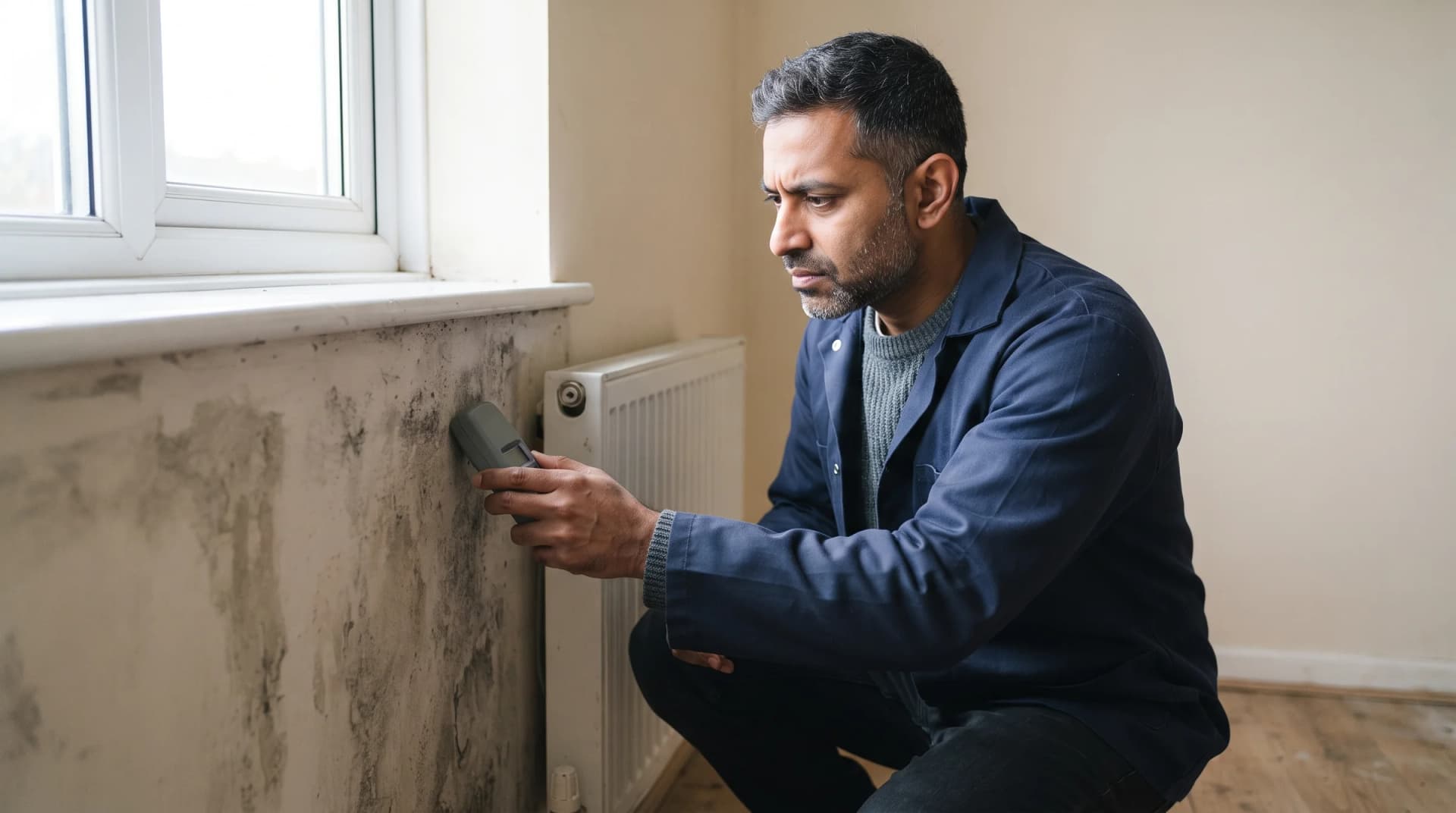
For claims within its scope, the court normally expects both sides to follow the Pre-Action Protocol for Housing Conditions Claims (England) as far as possible before proceedings start. It applies whatever the value of the claim, and a court can order a party who unreasonably fails to follow it to pay costs.
The protocol describes the stages below, each with its own timescale.
- The tenant sends a letter of claim. It sets out the defects, their history, when the landlord was told, the effect on the household including any personal injury, and the expert the tenant proposes.
- The landlord should normally reply within 20 working days of receipt, with the records requested and a response on the proposed expert.
- The property should be inspected within 20 working days of the landlord's response. If the landlord has not objected to the proposed expert or letter of instruction within 20 working days, the expert should be instructed as a single joint expert and should report to both sides within 10 working days of the inspection.
- The landlord must say whether liability is admitted, with reasons if it is not, and give a schedule of intended works with anticipated dates and any offer of compensation or costs. That can come with the first response or within 20 working days of receiving the expert's report.
- If the dispute is still open, both sides should review their positions before proceedings start.
These periods are long stops. They can be changed by agreement, and an expert can be instructed earlier where the case is urgent.
The expert in that process is a property expert. The protocol asks for a report on the housing conditions, a schedule of works and an estimate of their cost, and points to the Chartered Institute of Environmental Health and the Royal Institution of Chartered Surveyors as places to find one. It also accepts that a property expert is not always necessary.
Court is meant to be the last resort. The protocol asks both sides to consider alternative dispute resolution, and says claims should not be issued while a settlement is still actively being explored. Advice about a particular case should come from a housing solicitor or adviser.

The evidence a claim relies on
The evidence is about the home and, where personal injury is alleged, about its effect on health.
For the home, the protocol points to:
- a schedule of the defects, room by room
- the history of the defects and of any attempts to fix them
- how and when the landlord was told
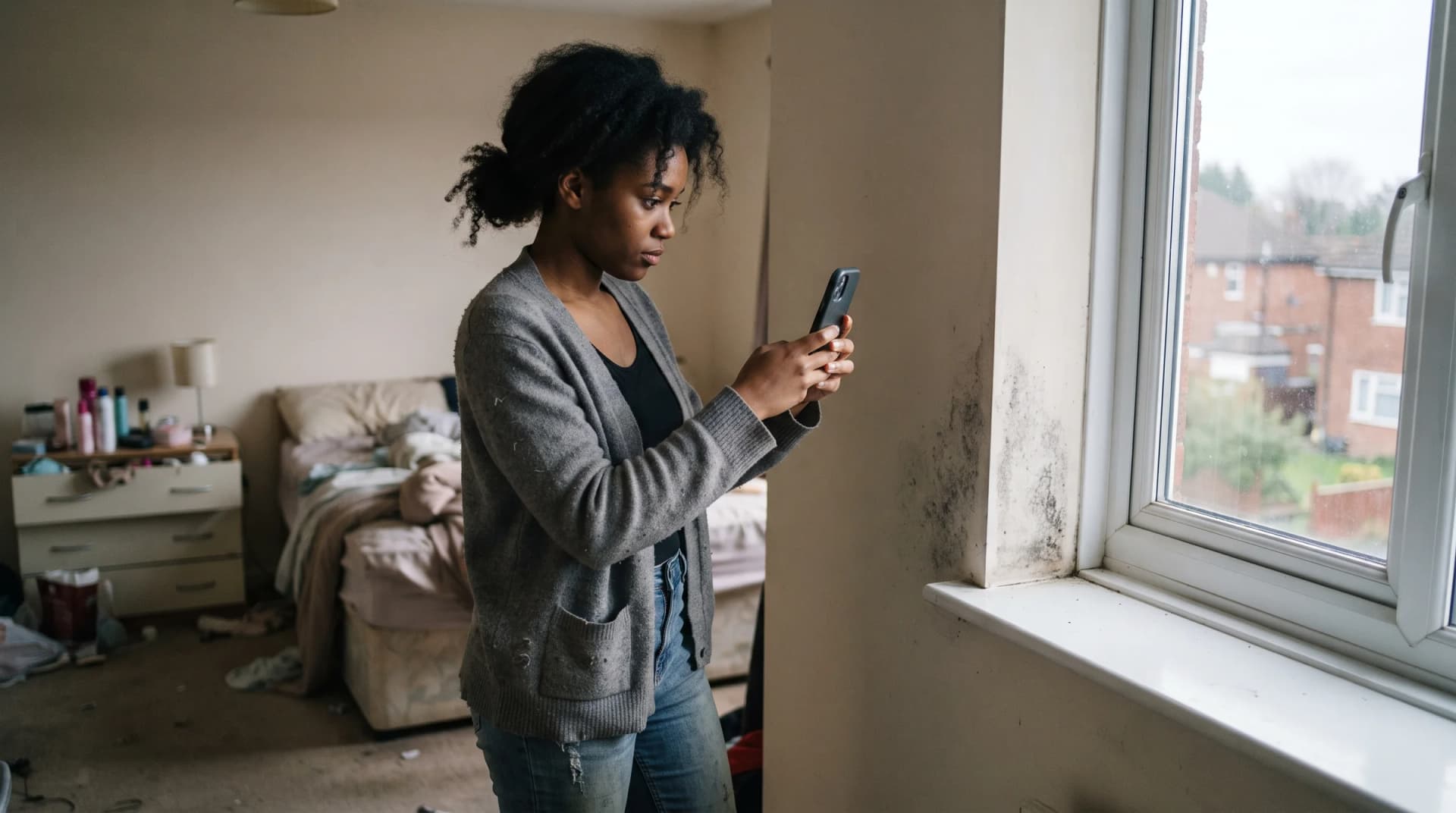
- photographs or video of the defects before and after any works
- the landlord's own records, including the tenancy agreement, the tenancy file and inspection reports
- the property expert's report, where one is needed
For health, the starting point is the medical record: GP and hospital notes, prescriptions, and the dates symptoms began or got worse. Set against the history of the housing conditions, those records help an independent expert assess whether the two are connected.
When medical evidence is needed
Landlords should not wait for it before acting. The government's damp and mould guidance is blunt: "medical evidence is not a requirement for action".
Medical evidence comes in where a claim includes personal injury. Paragraph 3.5 of the protocol separates the cases:
- where the personal injury claim is minor and will be evidenced only by a GP's letter, the housing protocol is enough
- where it needs expert evidence other than a GP's letter, the Personal Injury Pre-Action Protocol should be followed for that part of the claim
- where the situation is urgent, the housing and injury claims can be pursued separately and brought together later
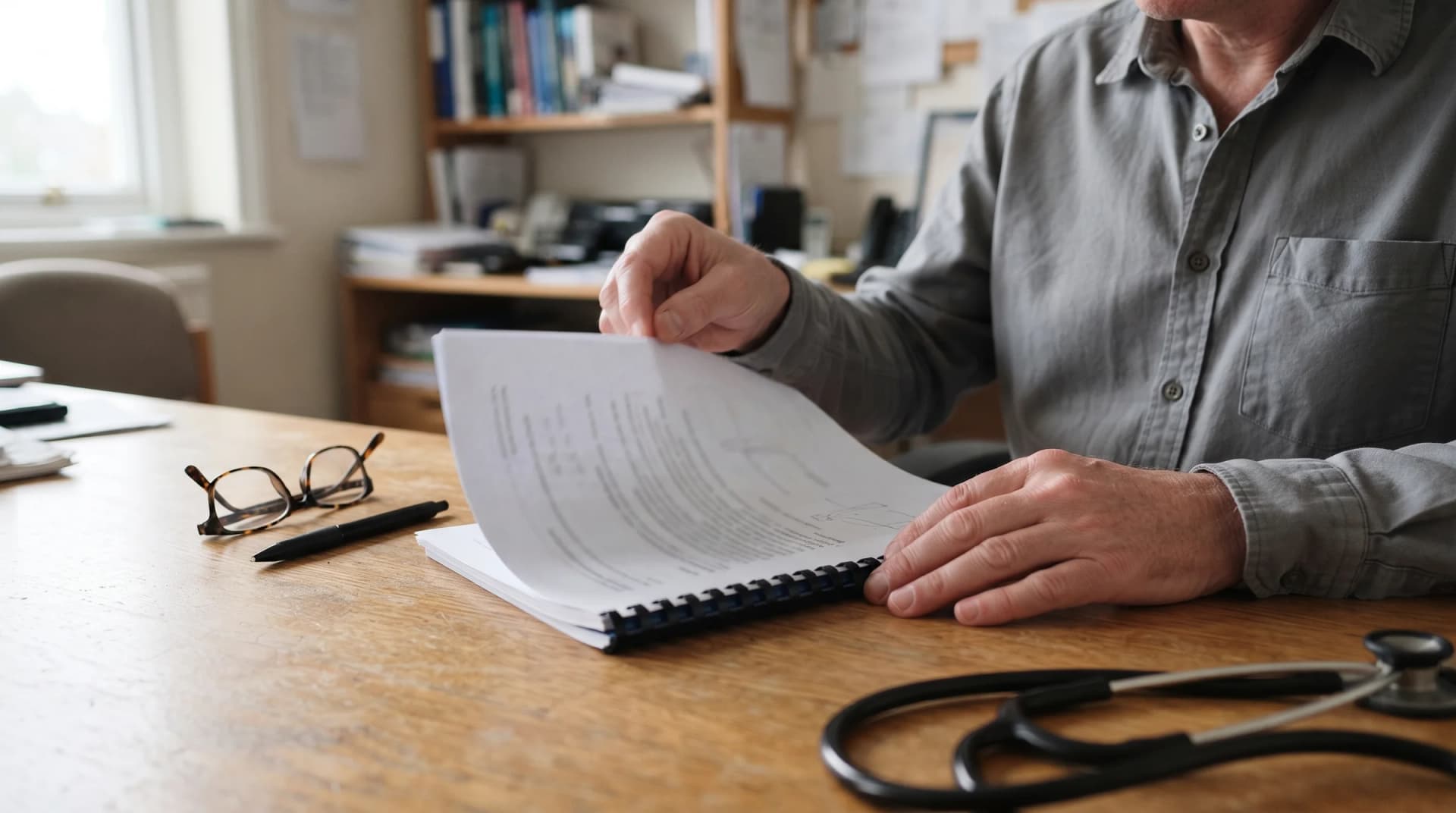
The protocol does not say what a GP's letter must contain. An expert report is a more formal document. It comes from an independent expert instructed for the claim, who reviews the records, assesses the person and gives an opinion on diagnosis, cause and outlook. Under CPR Part 35 the expert's duty is to help the court, and that duty overrides any obligation to whoever instructs or pays them.
Expert evidence is limited to what is reasonably required to resolve the proceedings, and a party needs the court's permission to call an expert or put a report in evidence. What is needed depends on the issues in the case.

Which medical expert reports on what
Government guidance says damp and mould mainly affect the airways and lungs, and can also affect the eyes, the skin and mental health. The right expert is one whose clinical practice matches the condition. As a guide:
- General or mixed symptoms: a GP expert. See GP reports.
- Asthma, chronic obstructive pulmonary disease (COPD), respiratory infections and other lung conditions: a respiratory physician. See respiratory reports.
- Illness in a child: a paediatrician, or a specialist who treats children.
- Eczema, rashes and fungal skin infections: a dermatologist. See dermatology reports.
- Effects on mental health: a psychiatrist or psychologist. See psychiatric and psychological reports for housing cases.
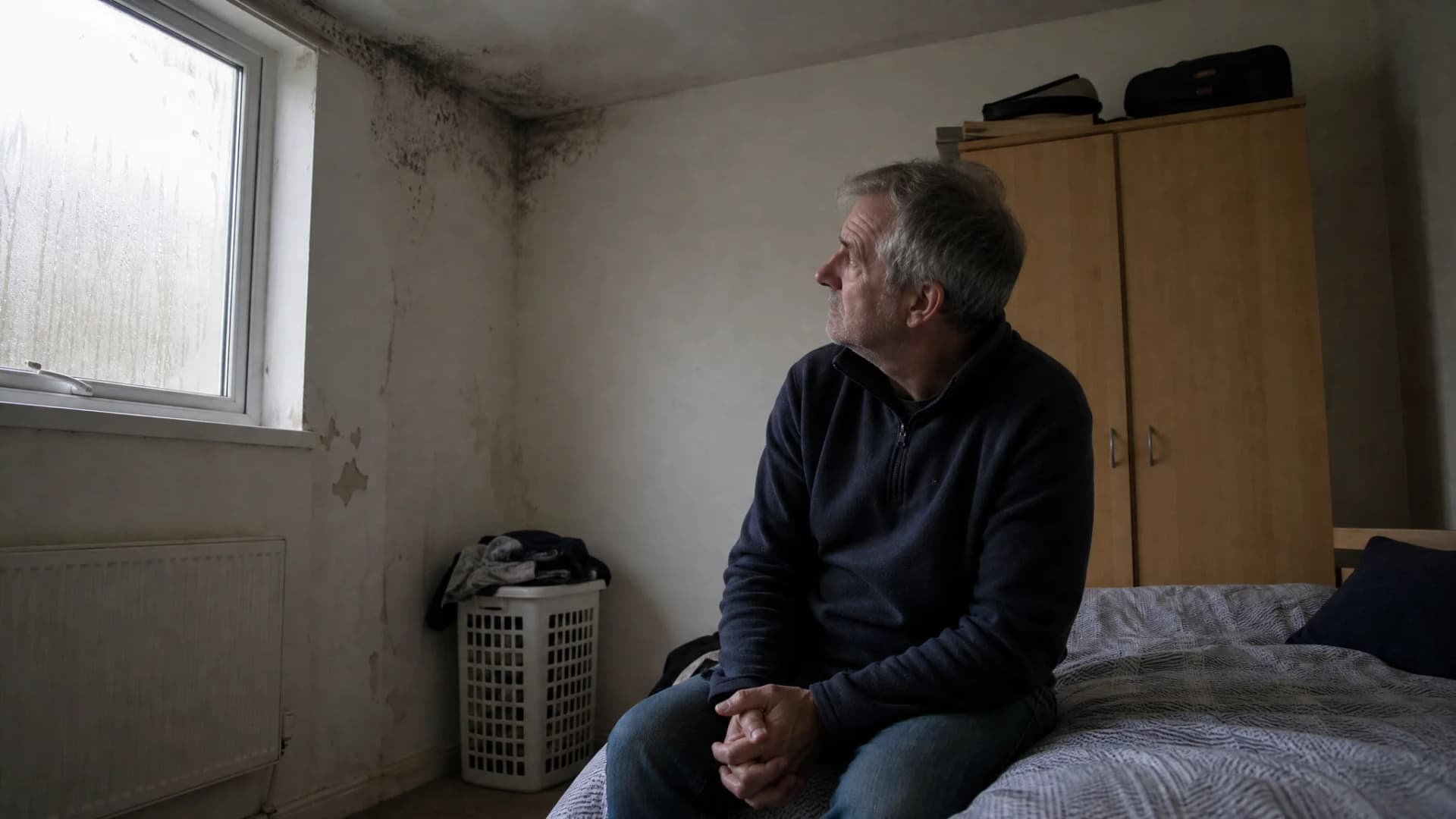
The guidance also names the people most at risk. They include people with an existing condition such as asthma or COPD, people with a weakened immune system, people living with a mental health condition, children and young people, and older people. Where someone already had a condition, the expert considers aggravation: whether the home made it worse, and for how long.
The same guidance estimates that in 2019 damp and mould in English homes were associated with about 5,000 cases of asthma and about 8,500 lower respiratory infections among children and adults.

What an independent medical report contains
A medical report for a housing conditions claim usually addresses these questions, and says so where the evidence does not allow a firm answer:
- what condition the person has, and when it began
- whether the housing conditions caused it, made an existing condition worse or made no difference
- what else could explain it
- how long it has lasted and what the outlook is
- whether repair or a move is likely to change that
The expert reads the medical records, takes a history, assesses the person and considers the evidence about the property. The report has to comply with Practice Direction 35 and end with a statement that the expert understands and has complied with their duty to the court. Our guide to medico-legal reports explains the format.
The report is the expert's, not ours. Expert Medical arranges it for the instructing solicitor, insurer or landlord, and the expert gives an independent opinion whoever is paying. Tenants' solicitors, insurers and landlords all use that evidence to assess an alleged injury and its connection with the housing conditions. Our page on housing disrepair medical reports sets out what we cover.
Other ways to resolve poor housing conditions
A court claim is one route among several, and the protocol expects the others to be considered:
- the landlord's own complaints procedure
- the Housing Ombudsman Service, for tenants of councils, housing associations and other social landlords in England
- a redress scheme, where a private landlord, letting agent or property manager belongs to one
- mediation
There is also a separate route through the magistrates' court. A home in such a state as to be "prejudicial to health or a nuisance" is a statutory nuisance, and a person aggrieved by it can complain to the magistrates under section 82 of the Environmental Protection Act 1990. The housing protocol does not cover those cases.
For general information about repair rights, the protocol itself points tenants to Shelter and Citizens Advice.
Common questions about housing disrepair claims
Is a housing disrepair claim the same as a housing conditions claim? Broadly. The current protocol uses "housing conditions claim" because it covers fitness for human habitation as well as disrepair.
Can a claim be made against a private landlord? The protocol covers private tenants as well as council and housing association tenants. The fixed deadlines in Awaab's Law apply only to social housing for now.
Is a GP letter enough? Sometimes. Where the personal injury claim is minor and will be evidenced only by a GP's letter, the housing protocol is enough. Where other expert evidence is needed, the personal injury protocol should be followed for that part of the claim.
Can a claim cover a child's illness? The protocol covers claims by members of the tenant's family, and the letter of claim should identify everyone who plans to make a personal injury claim.
Does the medical expert act for the tenant or the landlord? Neither. The expert's duty is to the court, whoever instructs them, and the court can direct that the evidence on an issue is given by a single joint expert.
Solicitors, insurers and housing providers who need medical evidence for a housing conditions claim can read how we work with solicitors. Tenants who need advice about their own home should speak to Shelter, Citizens Advice or a housing solicitor.