Nerve conduction studies for medico-legal claims
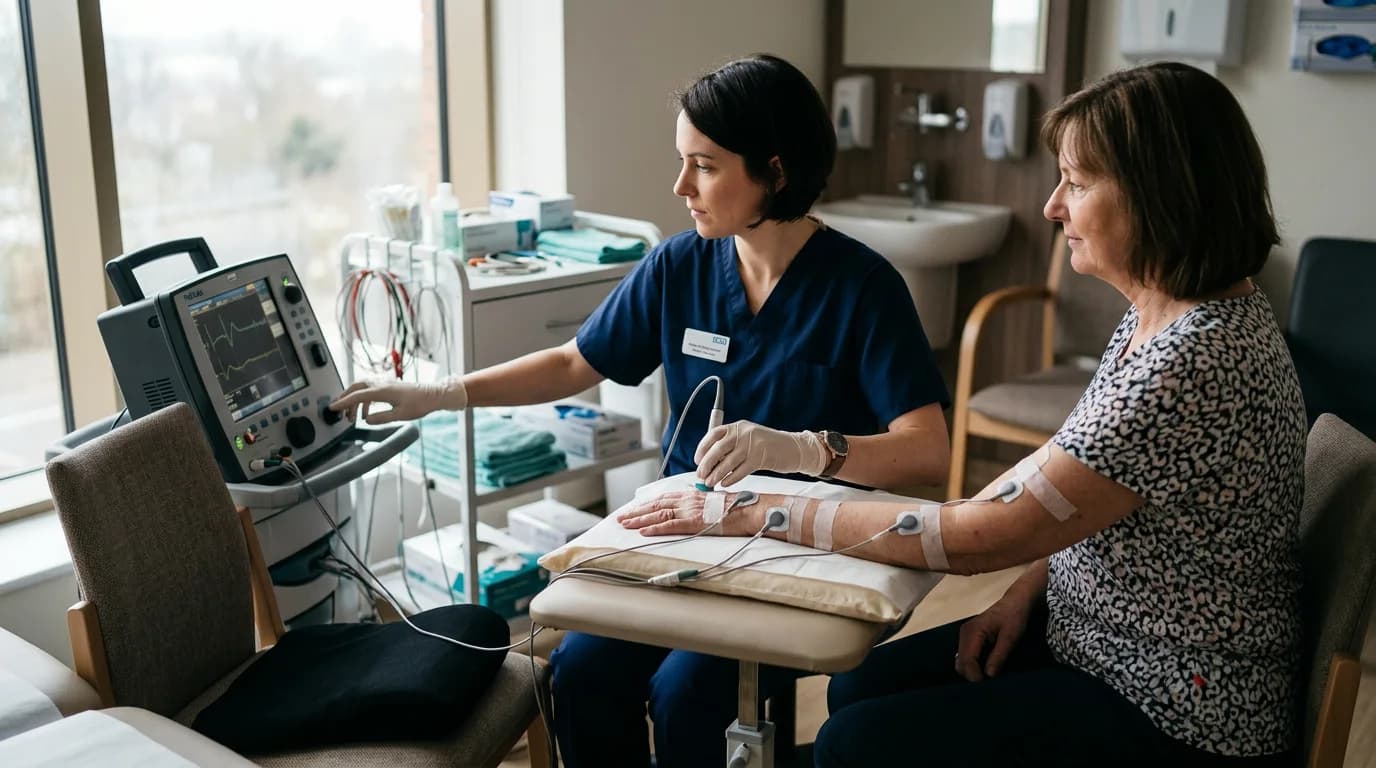
Nerve conduction studies and EMG arranged for carpal tunnel, nerve entrapment and HAVS claims, interpreted by GMC-registered consultants in clinical neurophysiology and supplied as objective evidence for expert reports prepared under CPR Part 35.
Numbness and tingling are easy to describe and hard to verify, which is why nerve conduction studies matter in these claims. Expert Medical Examination arranges nerve conduction studies and electromyography (EMG), with the results interpreted by GMC-registered consultants in clinical neurophysiology. The testing measures how well a nerve actually conducts, so a suspected carpal tunnel syndrome, ulnar entrapment or vibration-related nerve injury can be confirmed, graded or excluded.
Solicitors instruct NCS and EMG in work-related upper limb claims, hand-arm vibration syndrome cases and entrapment neuropathy disputes, where the electrophysiology often decides whether the claim proceeds. Insurers rely on the same objective results when assessing causation. The findings are reported formally and supplied to the examining expert, ready for evidence prepared under CPR Part 35.
Objective measurement of nerve function
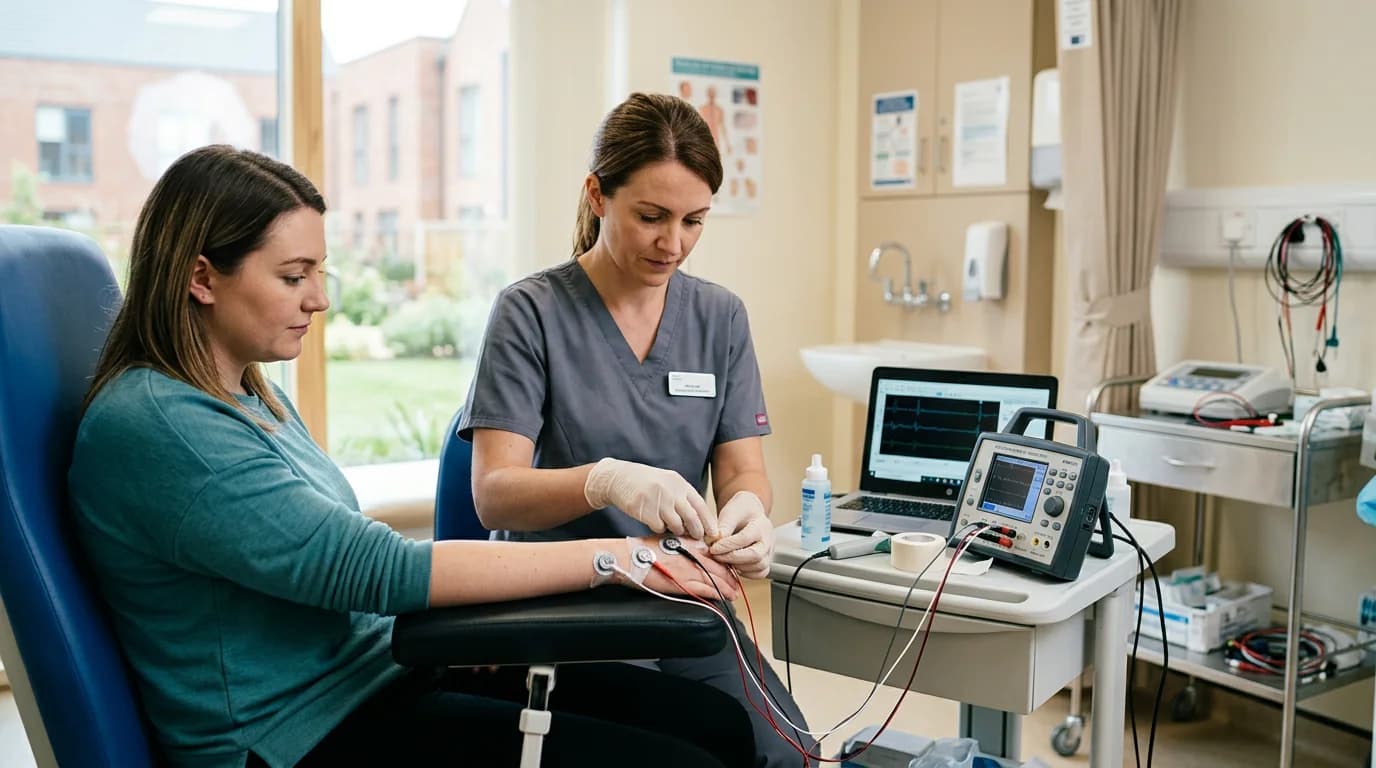
Nerve conduction studies record the speed and strength of electrical signals along a nerve, producing measurements that do not depend on the claimant's description of their symptoms. In a dispute over carpal tunnel syndrome or ulnar entrapment, that objectivity is often the difference between an arguable claim and a proven one.
Relevant to HAVS and occupational claims
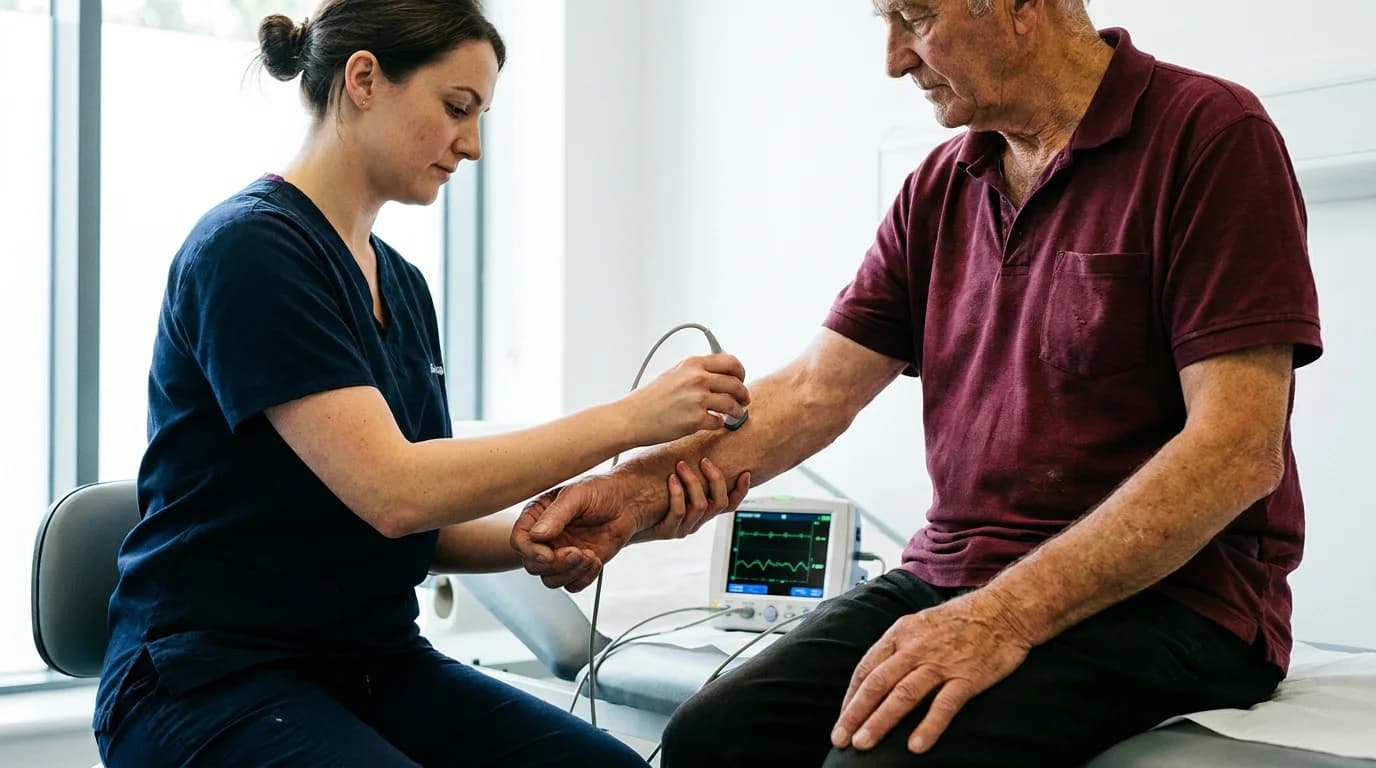
In hand-arm vibration syndrome and other occupational upper limb claims, electrophysiology helps separate vibration-related nerve damage from unrelated conditions such as diabetic neuropathy or cervical radiculopathy. The examining expert can then say, with test results in hand, which findings fit the claimed exposure and which do not.

Reported for legal use
Results are interpreted by GMC-registered consultants in clinical neurophysiology and set out in a formal report that states what was measured, what is abnormal and how severe the abnormality is. That report is supplied to the instructing party and the examining expert, so the electrophysiology feeds directly into CPR Part 35 evidence.
Electrophysiology that settles the argument
When the dispute is whether a nerve is genuinely damaged, testing beats assertion. Nerve conduction studies give the court measured, repeatable findings, and give the examining expert a solid basis for opinions on diagnosis, severity and causation. We arrange the study and deliver the report to those who need it.
- Nerve conduction studies for suspected carpal tunnel syndrome
- EMG assessment of muscle and nerve function
- Ulnar nerve entrapment at the elbow and wrist
- Electrophysiology in hand-arm vibration syndrome (HAVS) claims
- Assessment of nerve injury after fractures and lacerations
- Grading of severity to inform prognosis and treatment opinion
- Distinguishing entrapment from cervical radiculopathy and neuropathy
- Formal reports by GMC-registered consultants in clinical neurophysiology
- Results supplied to the examining medico-legal expert
Ready to instruct Expert Medical?
Whether you have a single instruction or a high-volume caseload, our team is ready to help. Call us directly or send an enquiry and we’ll respond within 24 hours.