
A medical reporting organisation, or MRO, takes the medical-evidence process off a solicitor's desk and returns a report that is ready to use in court. It sits between the instructing solicitor and the medical expert: finding the right expert, arranging the examination, managing the paperwork, and checking the report against the rules on expert evidence before it lands. For a firm running a steady flow of personal injury claims, that removes a large administrative load and lowers the chance of a report being delayed or rejected.
A late medico-legal report can stall a settlement. One that falls short of the standard the courts expect can be challenged, and at worst it weakens the very claim it was meant to support.
What a medical reporting organisation actually does
An MRO is a single point of contact for medical evidence. Rather than a fee earner approaching individual consultants, checking availability and hoping the report comes back in the right shape, the firm instructs the MRO once. The MRO then selects an expert from a vetted panel, books the examination near the claimant, tracks the report through to delivery, and quality-checks it before it reaches the solicitor.
Direct-to-expert instruction has become hard to run at scale. The volume of personal injury work, the compliance attached to it, and the standard of report the courts now expect all push firms toward a single managed route.

For soft-tissue road traffic claims, the MedCo route is built into the rules
For low-value road traffic accident claims by vehicle occupants involving whiplash and other soft-tissue injuries in England and Wales, the first medical report cannot simply be commissioned from any doctor. It must be sourced through MedCo, the Ministry of Justice-backed portal and accreditation scheme, and prepared by a MedCo-accredited expert, instructed either directly as a Direct Medical Expert or through a MedCo-registered medical reporting organisation.
That route is set out in the pre-action protocols and the Civil Procedure Rules, and it sits alongside the whiplash reforms introduced by the Civil Liability Act 2018 and the Official Injury Claim service. Under the RTA Small Claims Protocol, which covers accidents on or after 31 May 2021 where the injury claim is worth no more than £5,000 and the overall claim no more than £10,000, the same MedCo route applies to any first report obtained by a claimant living in England and Wales. That Protocol does not apply to vulnerable road users, such as pedestrians and cyclists, or to children or protected parties. The portal returns a randomised shortlist of registered MROs or accredited Direct Medical Experts, depending on the search, and the claimant's representative chooses which to instruct. Once selected, the MRO manages the report from there.
The benefits for solicitors and instructing parties
One relationship instead of many
Working with an MRO replaces a scatter of individual expert relationships with one accountable partner. One instruction covers it, with a single point of contact and one invoice at the end. For a busy team, the hours saved on sourcing and chasing alone are significant.
Reports written to the CPR Part 35 standard
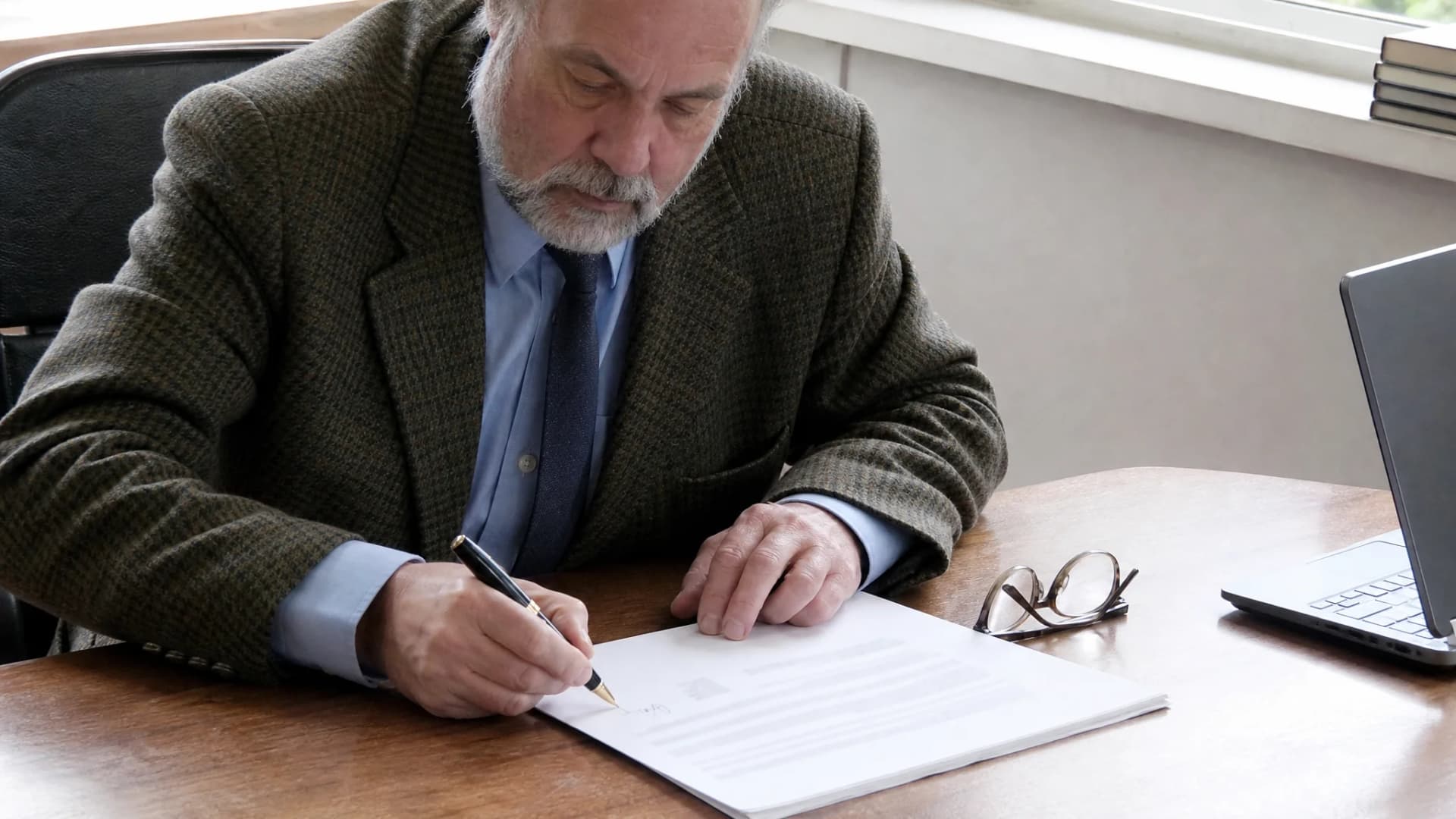
Expert evidence in the civil courts is governed by Part 35 of the Civil Procedure Rules. An expert's overriding duty is to help the court, and that duty comes before any obligation to the party who instructs or pays them. A compliant report must confirm that the expert understands and has met this duty, and it must set out the substance of the instructions it was based on. A good MRO builds these requirements into every report and checks for them before release, which reduces the risk of a Part 35 challenge later.
Appointments close to the claimant
A local appointment can save the claimant a long round trip. Where a suitable expert is available nearby, an MRO can arrange a local examination and follow up with the expert against agreed timescales.

An expert matched to the injury
A whiplash case and a complex orthopaedic or psychological injury call for very different expertise. An MRO with a broad panel can match each instruction to a suitably qualified expert in the right discipline, which is harder to guarantee when a firm relies on a short list of familiar names.
Quality control before it reaches your desk
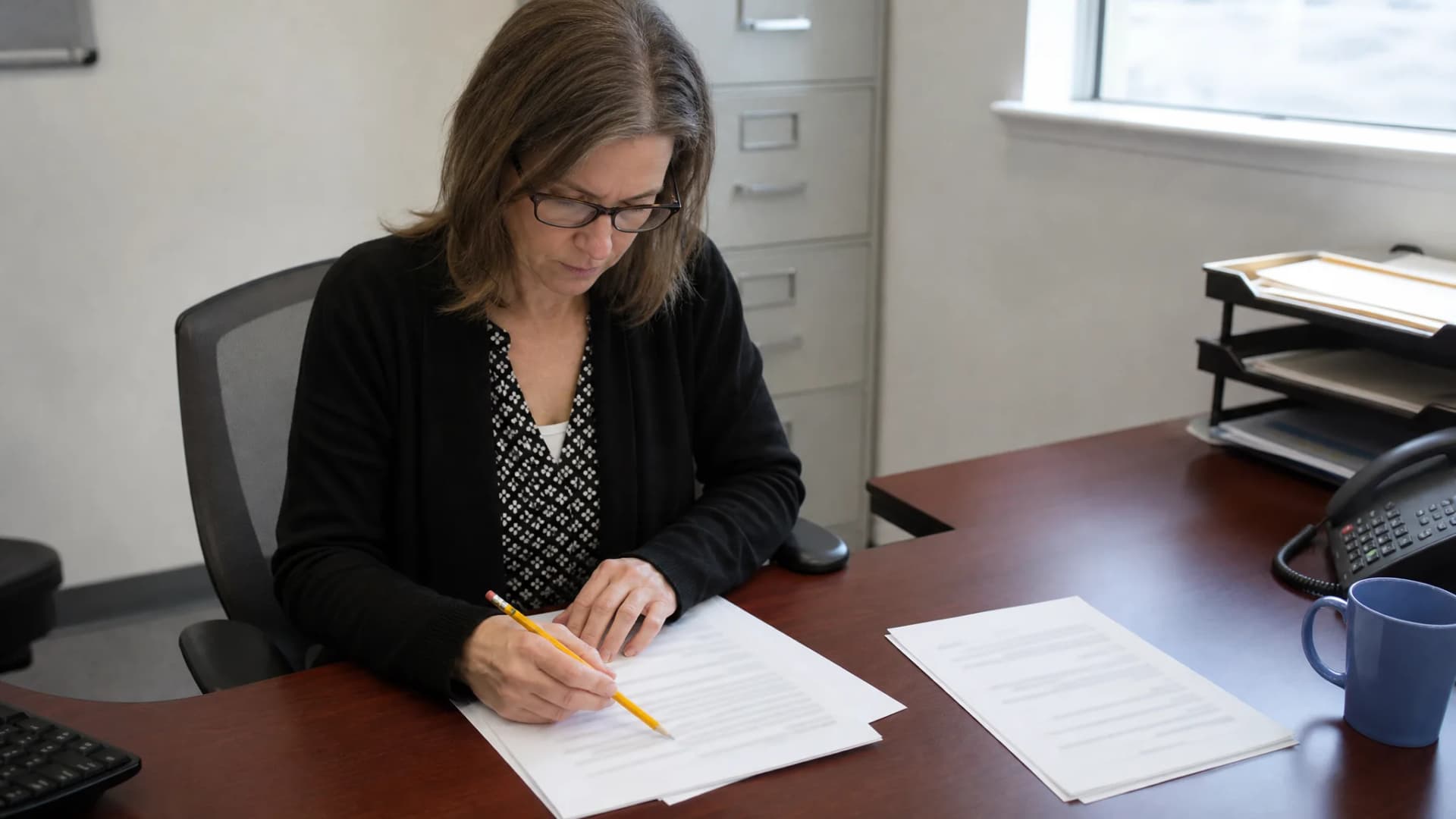
The value of an MRO is not only in sourcing an expert. It is in the check that happens after the report is written and before it is sent. A report that needs no rework on arrival saves the fee earner a round of questions and amendments, and it holds up better if the other side raises Part 35 questions.
In practice, a solicitor who instructs an MRO hands over a defined set of tasks:
- Sourcing an appropriately qualified and, where required, accredited expert
- Booking the examination at a location convenient for the claimant
- Managing timescales and chasing the expert through to delivery
- Formatting and checking the report against CPR Part 35
- Handling MedCo compliance where the claim requires it
When it makes sense to instruct an MRO
The clearest case is a soft-tissue road traffic claim, where the MedCo route is required. Beyond that, an MRO earns its place on higher-value and multi-track injury claims, clinical negligence, and employers' and public liability work, where several experts and reports need coordinating and a single manager keeps the medical evidence moving in step.
Working with Expert Medical
Expert Medical is an independent, MedCo-registered medical reporting organisation. We arrange CPR Part 35 compliant reports for claims in England and Wales, drawing on a panel of registered experts across a wide range of specialisms. If you would like to discuss instructing us, or simply want to understand how we could support your caseload, get in touch and we will be glad to help.